Source:
ChatGPT:
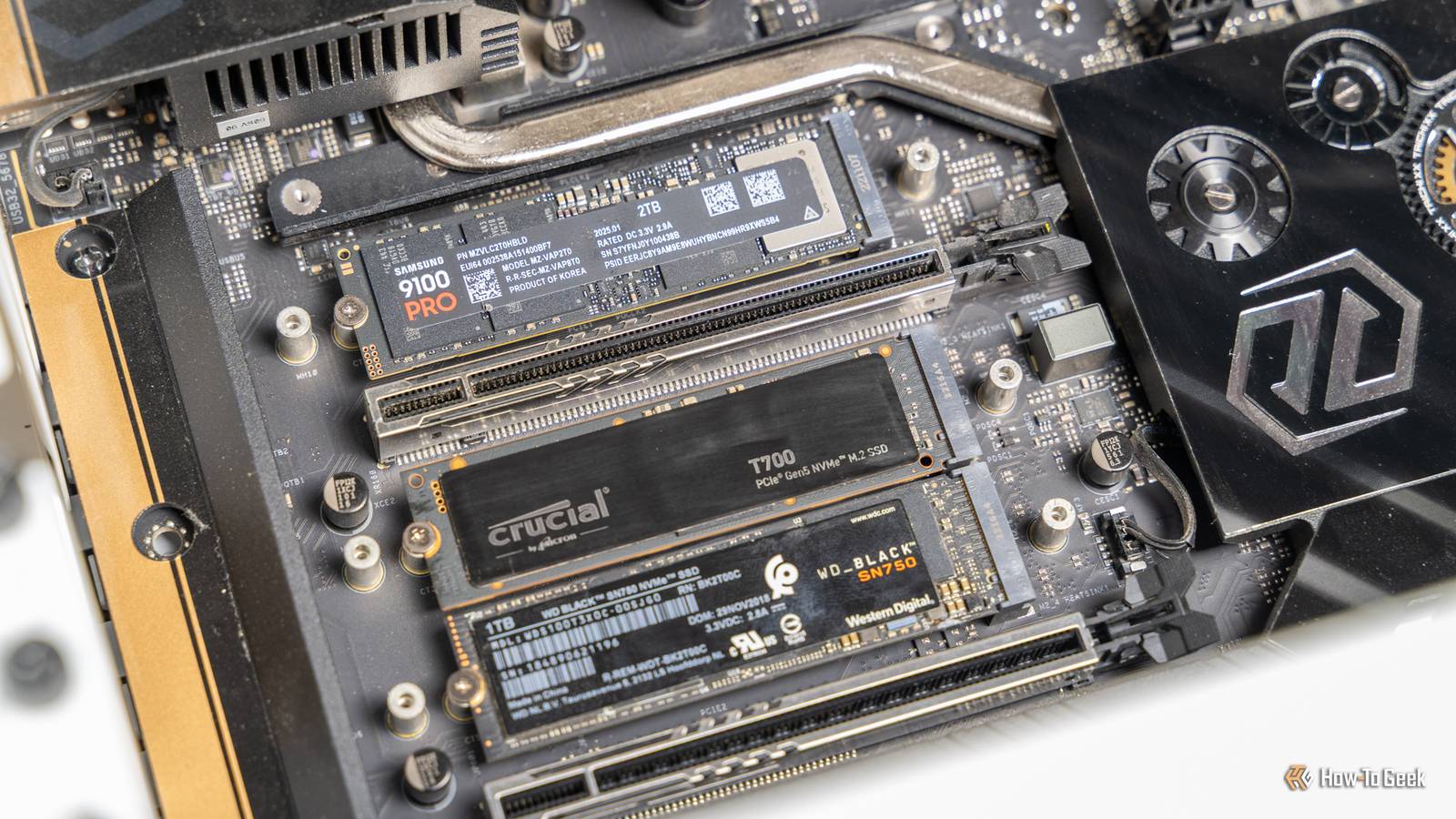
The article argues that in 2026, buying 1TB SSDs no longer makes financial sense due to volatile and sharply rising prices across the SSD market. Ongoing NAND flash shortages—driven by AI workloads and data center demand—have pushed storage prices much higher, following the earlier surge in RAM costs. As a result, the traditional “sweet spot” for SSD value has disappeared.
Previously, 2TB SSDs offered better value than 1TB drives, but even that advantage has eroded. Price comparisons show dramatic increases: budget 1TB SSDs that cost under $70 in late 2025 now exceed $100, while premium models like Samsung’s 990 Pro have more than doubled in price. Despite costing less upfront, smaller drives now deliver poor cost-per-terabyte value and fill up quickly, making them inefficient for modern usage.
Although 2TB drives remain slightly better than 1TB, they are increasingly expensive and inconsistent in pricing. The author argues that the new value sweet spot has shifted to 4TB SSDs. While they require a much higher upfront spend—typically $350 to $600—they offer significantly better cost per terabyte. Examples from Silicon Power, Crucial, Samsung, and Verbatim show that 4TB models often cost only marginally more per TB than smaller drives, and sometimes substantially less.
Beyond pricing, larger SSDs offer practical advantages: they’re less likely to be filled to capacity (which helps maintain performance), and they typically have higher endurance ratings (TBW), improving longevity. A 4TB SSD can serve as a long-term, future-proof solution for games, work files, applications, and operating systems, potentially eliminating the need for repeated upgrades.
Ultimately, while 4TB SSDs aren’t necessary for everyone, the article concludes that—paradoxically—spending more upfront may now be the most economical choice in today’s distorted SSD market.