Labels

Lifestyle (433) Investing (391) Entertainment (303) Singapore (245) Technology (143) Rewards (131) Insights (107) Gaming (102) Equities (97) AI (87) Food (79) Data (77) U.S. (77) Crypto (71) Sports (68) Travel (63) Portfolio (54) News (47) Credit Card (37) Movies (35) Savings (34) Earnings (32) Football (32) Policies (27) Property (26) Shows (24) Holidays (23) Tennis (23) Bonds (16) Promotions (16) Toys (15) World (15) Malaysia (14) REITs (13) T-Bills (12) China (11) Apps (10) Healthcare (10) Referral (10) Anime (8) DeFi (8) Cash Management (7) Currency (7) Retirement (7) CPF (6) Security (6) ETFs (5) Miles (5) Shopping (5) Commodities (4) Robotics (4) Weird (4) platform (4) Cashback (3) Insurance (3) Japan (3) Blog (2) Reviews (2) Robo-Advisor (2) 1-For-1 (1) Asia (1) Australia (1) Banking (1) Funds Management (1) Futuristic (1) Indonesia (1) Inflation (1) Interesting (1) Nerfs (1) SGD (1) SSB (1) Social (1) Thailand (1)
Showing posts with label Rewards. Show all posts

Wednesday, 19 August 2026

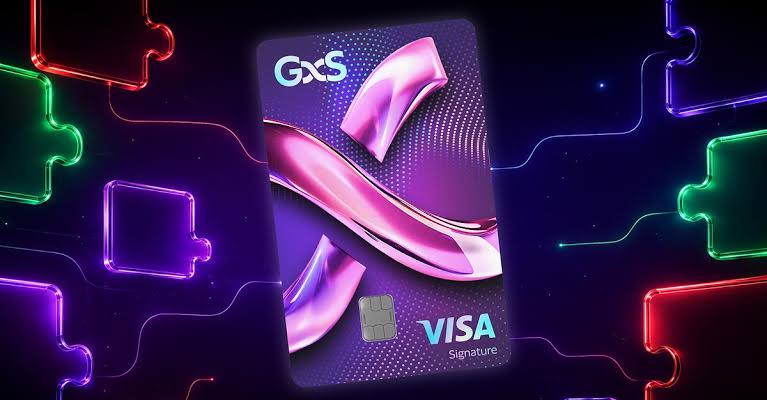
Rewards Updates: GXS Credit Card: Good for overseas Grab, and little else


Source:


ChatGPT:


The article reviews the new GXS Credit Card, concluding that it has one outstanding use case but is otherwise uncompetitive. GXS markets it as Singapore’s highest unlimited cashback card, yet the author argues that the headline rate is misleading for most local spending.

For general Singapore spending, the card gives 1.75% uncapped cashback, but requires at least S$500 of eligible spending per statement month. Spending below S$500 earns nothing, while Grab and foreign-currency transactions do not count toward the threshold. The author notes that alternatives such as DCS Ultimate Cashback and UOB Absolute Cashback can offer 2%, while other cards provide 1.5–1.6% without a minimum spend.

The local Grab proposition is similarly complicated. Users start at 3%, then receive higher marginal rates of 5% and 10% only after meeting additional spending conditions. Because the lower tiers remain in place, the effective average rebate never actually reaches 10%. The author therefore prefers 4-mpd miles cards for local Grab spending.

The card's standout feature is overseas Grab spending. It earns an uncapped 10% rebate in GrabCoins from the first dollar, with no minimum spend and no foreign-currency transaction fee. The author considers this exceptionally attractive, potentially better than miles cards unless the user places a very high value on miles.

The card has a S$30,000 income requirement and S$196.20 annual fee, waived for qualifying applicants until 31 December 2026. The first 1,000 physical-card applicants also receive a limited-edition metal card.

Bottom line: the GXS card isn't a great everyday cashback card, but for frequent overseas Grab users, it is potentially a no-brainer.

Social media & forum reaction

The article itself is dated 19 August 2026, so independent discussion specifically about this new credit card is still emerging. I searched Reddit, HardwareZone and publicly searchable social platforms rather than assuming older GXS-card discussions were about the new product.

Reddit

The broader Singapore finance community has historically been quite skeptical of GXS rewards products.

For example, earlier r/singapore discussions about GXS's card/rewards highlighted concerns about Grab rewards and whether the product was genuinely better than competing cards. (Reddit)

There is also evidence that some users specifically valued GXS for overseas spending and FX rates. One r/singaporefi user compared GXS with Trust during a Malaysia trip and reported that the exchange rates were virtually similar, while GXS provided instant rewards. (Reddit)

That historical sentiment makes the new card's overseas-Grab proposition particularly interesting: GXS appears to have found a much clearer niche than its earlier randomised-reward products.

HardwareZone

HardwareZone's long-running GXS Digital Bank thread shows a more practical, rewards-maximising audience. Users have previously compared GXS against cashback and miles cards, with some rejecting GXS when the reward mechanism was uncertain. One commenter explicitly preferred a conventional cashback card rather than gambling on GXS's random rewards. (HardwareZone Forums)

Another recurring HWZ theme is FX spending. Users have scrutinised GXS's exchange rates and potential Mastercard-related costs, suggesting that Singapore's card enthusiasts pay close attention to whether "no FX fee" actually translates into a competitive final SGD amount. (HardwareZone Forums)

That makes the new card's 10% overseas Grab + zero FCY fee combination much more compelling than GXS's previous offerings.

X, Facebook, Instagram, TikTok & Threads

I could not verify enough independent, publicly searchable discussion on X, Facebook, Instagram, TikTok or Threads specifically about this 19 August launch to responsibly characterise the sentiment.

There is official GXS information confirming the new card's rewards structure, including the newly introduced 1.75% Singtel cashback with no minimum spend and no cap. (GXS Bank)

I would therefore distinguish marketing exposure from genuine retail-investor sentiment: the latter is currently much easier to observe on forums such as Reddit and HardwareZone.

Overall sentiment

My read: cautiously positive, but extremely niche.

The consensus likely to emerge among Singapore's miles/cashback community is:

πŸ‘ Very attractive: overseas Grab
πŸ‘ No FCY fee: meaningful additional benefit
πŸ‘ 10% uncapped: genuinely strong
🀨 Local Grab: unnecessarily complicated
πŸ‘Ž General spending: 1.75% + S$500 minimum isn't compelling
πŸ‘Ž Singtel: miles cards can do substantially better
🀨 Annual fee: acceptable only if the overseas-Grab benefit is actually used

The most important distinction is that this isn't really a general-purpose cashback card. It is better understood as a specialist overseas-Grab card that happens to offer mediocre-to-decent cashback elsewhere.

For someone who travels frequently and uses Grab overseas, the card could be extremely useful. For someone who mainly uses Grab in Singapore, the article's “good for overseas Grab, and little else” conclusion is quite convincing.

Friday, 14 August 2026

Rewards Updates: Trust Freedom Credit Card Review (2026)—Singapore's First Credit Card Offering Stockback


Source:


ChatGPT:


The Trust Freedom Credit Card, launched on 13 August 2026, is Trust Bank’s revamped successor to its Cashback Card and introduces what MoneySmart describes as Singapore’s first credit-card “stockback” feature. Instead of receiving cash or points, eligible spending can automatically purchase fractional shares of one of 50 selected US stocks or ETFs through Saxo.

The headline promotion is 3% stockback on local and foreign eligible spending until 31 December 2026, capped at S$500 per quarter. From January 2027, the rate falls to 2% locally and just 0.5% overseas. Stockback starts accumulating once a transaction reaches S$1, with S$10 triggering an investment. Selling the resulting shares currently carries no commission.

Freedom also retains two cashback modes. Bonus Cashback provides 1% base local cashback and up to 15% on one preferred category, but requires S$2,000 monthly spending for all three months of a quarter to obtain the maximum rate. MoneySmart calculates that the advertised 15% can translate into only about 4.6% effective cashback across total spending. Unlimited Cashback offers a simpler 1.5% local and 0.5% foreign rate with no minimum or cap.

A miles mode is expected within two to three months, potentially making Freedom a four-mode card.

Social/forum reaction

Early Reddit discussion is mixed but highly focused on the 3% promotion and foreign spending. Some users call it attractive for overseas purchases because there is no FX fee, while others consider it useful only temporarily because the promotional rate expires. Several commenters compare it with MariBank’s 1.5% cashback and question the value of receiving shares rather than cash. (reddit.com)

Overall, online sentiment appears “interesting but conditional”: potentially excellent for travel and first-time investors, but less compelling as a permanent everyday cashback card.

Friday, 7 August 2026

Rewards Updates: Buffed: Chocolate Visa Card boosts Max Miles earning caps by 2-3X


Source:


ChatGPT:


The Chocolate Visa Card is getting a significant upgrade from 1 September 2026, with higher earning caps but a new minimum-balance requirement. The headline change is that cardholders will earn 1 Max Mile per S$1 on their first S$2,000 of monthly spending, doubling the previous S$1,000 threshold. Spending above S$2,000 will continue earning 0.4 Max Miles per dollar without a cap.

The monthly bill-payment cap will also triple from 100 to 300 Max Miles. This is particularly useful for expenses such as insurance, utilities, medical bills and government services, which often do not earn rewards on conventional credit cards.

However, the card's Miles Multiplier will be removed. Previously, maintaining higher average balances could generate bonuses of up to 100%. From October, customers must instead maintain a S$5,000 average daily balance in SGD to earn any Max Miles. September has a transitional exemption.

The card remains more of a niche miles tool than a primary spending card. Its strongest uses are bill payments, education, charitable donations and overseas spending, where its zero additional FX markup can be valuable.

Another potentially attractive development is Chocolate's Miles for Returns programme. From September to November, customers can purchase Max Miles at an effective 1.25 cents each, according to the article. Max Miles can be transferred to numerous airline and hotel programmes or redeemed through HeyMax's FlyAnywhere feature at 1.8 cents per mile.

Overall, the changes make Chocolate Visa more useful, particularly for people who can comfortably maintain S$5,000 with Chocolate.

What Singapore's online community is saying

HardwareZone: Discussion has historically been much more cautious. Users liked the card for excluded categories and overseas spending, but several became sceptical after the AXS episode. Some explicitly withdrew their funds after AXS rewards were removed, while others continued using the card for insurance and utilities. (HardwareZone Forums)

Reddit / r/singaporefi: Sentiment has similarly focused on whether Chocolate's rewards justify the risks and complexity. Users appreciate the broad earning categories, zero-FX feature and flexibility of Max Miles, but repeatedly note that Chocolate is not SDIC-insured and that programme terms can change. (Reddit)

X, Facebook, Instagram, TikTok and Threads: I could not find enough reliably indexed, publicly accessible posts from these platforms specifically discussing the 7 August 2026 announcement to claim a representative consensus. Search visibility is particularly limited on TikTok and some Meta/Threads content. I would therefore avoid presenting isolated posts as evidence of overall sentiment.

Bottom line: The announcement is broadly positive for miles maximisers: the 1-mpd ceiling doubles and bill-payment rewards triple. But the S$5,000 balance requirement and removal of the Miles Multiplier make the proposition less attractive for people who previously used Chocolate primarily as a low-balance spending account. The community's historical reaction suggests enthusiasm about the miles, but continued caution about Chocolate Finance's changing terms and product risk.

Technology Updates: Apps For Hawkers and Dining (in 2026)

Source:

https://sethisfy.com/wallet-apps-for-hawkers-and-dining/

ChatGPT:

Sethisfy’s August 2026 guide explains how Singapore diners can still earn cashback, miles or card rewards when eating at hawker centres and smaller eateries that do not directly accept credit cards. The key is understanding SGQR: although one QR code can support multiple payment wallets, each merchant decides which services it accepts.

The guide distinguishes Hawker SGQR, generally based on NETS QR, from Non-Hawker SGQR. Hawker QR supports various wallet apps, while ordinary SGQR usually supports PayNow and any additional wallets the merchant has enabled.

For Hawker QR, MariBank is highlighted for a temporary 1% cashback promotion on eligible transactions of at least S$3, while ShopeePay offers 1% Shopee Coins, rising to 5% for users below 25. Grab can also be used, although rewards depend on the payment route and top-up method.

For Non-Hawker QR, ShopBack is presented as one of the strongest options because linked credit cards can earn their normal rewards while ShopBack may provide additional cashback. FavePay and Kris+ similarly work at participating merchants. Kris+ is particularly attractive for miles collectors because it can provide bonus miles on top of card rewards. Google Pay offers randomised scratch-card rewards.

Foodpanda provides another workaround: users can order from participating hawker stalls, apply vouchers and still charge the purchase to a credit card, although menu prices may be higher.

With XNAP and Amex Pay discontinued, knowing these alternatives is increasingly useful for people trying to maximise rewards without relying on cash payments.

Overall, the guide’s message is that Singapore diners should inspect QR logos carefully and choose the payment app based on the merchant, card rewards, promotions and transaction type.

Social media & forum discussion

I also searched for current discussions around hawker QR payments, cashback stacking and the apps mentioned in the article.

HardwareZone

HardwareZone has one of the most relevant Singapore discussions. Users have been comparing ShopBack, FavePay, Amex QR, Grab and ShopeePay as alternatives for hawker payments. ShopBack was generally ranked first by several users, while others highlighted Amex QR for transactions that normally earn little or nothing. (HardwareZone Forums)

A particularly interesting discussion concerns merchant acceptance. Users noticed that some hawkers had ShopBack or ShopeePay QR codes but did not prominently display them. Others reported that some stalls had covered the Amex logo, potentially because of payment-processing concerns. (HardwareZone Forums)

This reinforces the article's point that seeing an SGQR code doesn't automatically mean every wallet will work.

Reddit

Singapore Reddit discussions show a similar practical approach. A recent r/askSingapore discussion found that PayNow/NETS QR is now extremely widespread among hawkers, although users warned that compatibility differs depending on which app is scanning the QR. (Reddit)

Meanwhile, r/singaporefi users continue discussing ways to maximise rewards. One 2026 discussion recommends using ShopBack or other QR/payment apps for transactions where conventional credit-card rewards are unavailable. (Reddit)

There is also an interesting counterargument: some Reddit users point out that hawkers generally don't accept credit cards because of merchant fees, meaning consumers shouldn't expect every QR payment method to provide credit-card-style rewards. (Reddit)

ShopBack

ShopBack's own 2026 guidance confirms the appeal of stacking: customers can link a Singapore credit/debit card, pay at participating merchants and receive cashback while potentially retaining their card rewards. (ShopBack)

X, Facebook, Instagram, TikTok & Threads

I couldn't find enough publicly indexed, verifiable discussion specifically about this August 2026 Sethisfy article on X, Facebook, Instagram, TikTok or Threads to claim a meaningful consensus.

However, the broader online conversation is clearly centred on one question:

“How can I pay at hawker stalls with a card and still get rewards?”

That makes the article particularly relevant to Singapore's miles/cashback community.

Overall sentiment: 🟒 Positive / practical

The online reaction is less about debating whether QR payments are useful—they clearly are—and more about optimising the payment stack.

The current hierarchy appears roughly:

ShopBack → Kris+ / FavePay → MariBank / ShopeePay → Grab → ordinary PayNow

But the best option depends heavily on the QR logo, merchant, card being linked and current promotion.

The biggest takeaway is that Singapore's cashless hawker ecosystem has become a rewards game of its own. With XNAP and Amex Pay gone, knowing which QR to scan—and which card or wallet to link—can make a meaningful difference for frequent hawker diners.

Rewards Updates: Chocolate Visa Debit Card Review (2026)


Source:


ChatGPT:


Sethisfy’s August 5 review finds the Chocolate Visa Debit Card useful mainly as a supplementary rewards card rather than a primary miles card. The card has no annual fee, minimum spend or foreign-currency fee, and earns Max Miles through HeyMax, which can be converted to more than 27 airline and hotel partners. Its biggest advantage is broad rewards eligibility, including categories that many other cards exclude.

The base earn rate is only 1 Max Mile per S$1 on the first S$1,000 of monthly spending, falling to 0.4 mile per dollar thereafter. Cardholders can increase the rate through Chocolate’s Multiplier Programme: every S$5,000 balance adds 0.05 mile per dollar, up to 2 miles per dollar with S$100,000 held in Chocolate. The review considers this unattractive compared with stronger miles cards.

Bill payments remain a niche use case. Healthcare, government, utilities, property, insurance and business-service transactions earn rewards, but only on the first S$100 of monthly spend. AXS payments and e-wallet top-ups are now excluded following the 2025 controversy. Charity spending is an exception, retaining rewards on up to S$1,000 monthly.

Despite zero foreign-exchange fees, the card is also judged mediocre overseas because higher-earning alternatives such as Citi Rewards paired with Amaze can produce better value. As a debit card, spending immediately reduces the account balance, unlike credit cards’ interest-free payment period.

The verdict is therefore mixed: the Chocolate Card is worth keeping for occasional excluded-category or charitable transactions, especially with no annual fee, but its low earn rate and restrictive caps make it a weak everyday or overseas card.

Social media & forum discussion

🟠 HardwareZone

HardwareZone has a long-running Chocolate Finance discussion, showing that Singapore miles/card users have followed the product closely. Early reactions to the card were sceptical because it was a debit card and initially lacked an obvious rewards proposition. (HardwareZone Forums)

The sentiment became considerably more negative during the March 2025 AXS/withdrawal crisis. A HardwareZone thread on withdrawals ran to more than 100 pages, with users discussing liquidity, MAS regulation, withdrawal delays and whether Chocolate had been sufficiently transparent. (HardwareZone Forums)

Interestingly, forum users also debated the miles-gaming issue. One view was that Chocolate should have imposed a reasonable AXS cap rather than removing the benefit entirely. (HardwareZone Forums)

πŸ”΄ Reddit

Reddit's Singapore finance communities remain more cautious.

One highly upvoted discussion argued that the problem was not simply liquidity but trust in Chocolate Finance, following the withdrawal episode. (Reddit)

Another discussion criticised the underlying investment structure and questioned whether the extra yield justified the risks compared with conventional alternatives.

However, sentiment isn't universally negative. More recent 2026 discussions show people still using Chocolate Finance, including for cash management, while debating returns, underlying funds and foreign-currency exposure. (Reddit)

🟒 Facebook / travel & miles communities

Travel-rewards pages remain considerably more positive. For example, Suitesmile described the Chocolate Card as one of Singapore's better miles cards, particularly when considering its broad spending eligibility. (Facebook)

This highlights an important divide: general finance users focus on platform/liquidity risk, while miles enthusiasts focus on earning opportunities.

X, Instagram, TikTok & Threads

I could not find sufficient publicly indexed, verifiable discussions specifically about this August 2026 review on X, Instagram, TikTok or Threads to claim a meaningful consensus. TikTok's publicly indexed results were particularly poor and largely unrelated, so I would not treat them as evidence of sentiment.

There is, however, evidence that social media can have a major impact on Chocolate Finance. During the March 2025 episode, Chocolate itself attributed increased withdrawals partly to social media, while Reddit and HardwareZone amplified the controversy. (HardwareZone Forums)

My take

The article's “keep it, but don't rely on it” conclusion is probably the most balanced interpretation.

Best use: charity and selected bill payments where other cards give zero rewards.

Weak use: everyday spending, overseas spending and trying to reach 2 mpd by parking S$100,000 with Chocolate.

The bigger online concern is no longer simply the card's earn rate. Trust, liquidity and product-change risk remain part of the Chocolate Finance discussion, even though the company says customer assets are held with independent custodians and it is MAS-regulated. (HardwareZone Forums)

Overall online sentiment: 🟑 Mixed — miles enthusiasts see niche value, while finance-focused users remain cautious.

Thursday, 25 June 2026

Rewards Updates: LiquidPay 2.0: Earn credit card miles at QR code-only merchants


Source:


ChatGPT:


The article discusses the relaunch of LiquidPay 2.0, a payment platform from Liquid Group that briefly created a new opportunity for Singapore consumers to earn credit card miles when paying at QR-code-only merchants such as hawker stalls, coffee shops, and small neighborhood businesses.

Historically, earning rewards at such merchants has been difficult because many only accept PayNow or NETS QR payments. Previous solutions like XNAP and AMEX Pay were discontinued, limiting opportunities for miles collectors. LiquidPay 2.0 initially appeared to solve this problem by allowing users to scan compatible NETS QR codes and pay using linked credit cards.

Transactions reportedly coded under Merchant Category Code (MCC) 5399, which is eligible for bonus rewards on several popular Singapore miles cards. This meant users could potentially earn up to 4 miles per dollar (mpd) on everyday spending at hawker centres and other small merchants.

However, the article contains an important update. Shortly after launch, LiquidPay changed its setup. Wallet top-ups now code as MCC 6540 and incur a 3.5% fee when funded via debit cards. More significantly, credit card payments at QR-code merchants are no longer supported. As a result, the original miles-earning opportunity has effectively been removed.

The article also discusses wallet limits, which currently appear capped at S$5,000 despite references to higher limits that may require future regulatory approval. While some users explored workarounds involving debit card top-ups and reward-earning combinations such as Amaze-linked cards, the economics became much less attractive after the fee increase.

Overall, LiquidPay 2.0 remains a useful QR payment solution, but its value proposition for miles enthusiasts has diminished substantially since the initial launch excitement.


Social Media & Forum Discussions

HardwareZone (Singapore)

The strongest discussion has been on Singapore-focused finance and miles communities.

Common reactions include:

  • Initial excitement that hawker spending could once again earn 4 mpd.

  • Users rushing to test NETS QR terminals across food centres and small merchants.

  • Frustration after reports emerged that credit-card funding was disabled.

  • Debate over whether the opportunity was always intended or simply a loophole.

Many HardwareZone users compared the situation to previous short-lived opportunities involving XNAP, GrabPay, and AMEX Pay.

Reddit

On Singapore-focused subreddits such as r/singaporefi and miles-related communities:

  • Users shared data points about MCC coding.

  • Discussions centered on whether 3.5% fees justify earning miles.

  • Most concluded that the updated structure is no longer attractive for mileage accumulation.

  • Some praised the community's speed in identifying changes within days of launch.

A common sentiment was: "Great while it lasted."

X (Twitter)

Discussion has been relatively niche but active among:

  • Miles collectors.

  • Fintech enthusiasts.

  • Personal finance influencers.

Posts highlighted:

  • The brief 4 mpd opportunity.

  • Changes to MCC coding.

  • Concerns about sustainability for payment providers offering rewards-funded transactions.

Facebook

Singapore miles and credit-card groups discussed:

  • Which cards initially worked.

  • Merchant acceptance experiences.

  • Whether LiquidPay would further tighten restrictions.

The tone shifted quickly from excitement to caution after the policy changes.

Instagram

Personal finance creators posted:

  • Quick tutorials on setting up LiquidPay.

  • Explanations of NETS QR compatibility.

  • Updates warning followers that the original rewards opportunity had already been curtailed.

TikTok

Singapore finance TikTok creators generated short videos explaining:

  • How users could earn miles at hawker stalls.

  • Why the opportunity disappeared so quickly.

  • Lessons about acting quickly when payment loopholes emerge.

Many videos attracted strong engagement from younger consumers interested in travel rewards.

Threads

Threads discussions mirrored X and Instagram:

  • Users debated whether fintech companies can sustainably support reward-generating transactions.

  • Some speculated that high transaction costs forced LiquidPay to close the loophole rapidly.


Overall Sentiment

The overall sentiment is mixed but largely disappointed. Initial reactions were highly positive because LiquidPay appeared to revive a valuable way to earn miles at hawker centres and QR-only merchants. However, after the introduction of MCC 6540 coding, a 3.5% top-up fee, and the removal of credit-card QR payments, most finance enthusiasts concluded that the opportunity had effectively ended. The episode is now viewed as another example of a promising miles-earning strategy that was quickly closed once it gained widespread attention.

Tuesday, 19 May 2026

Rewards Updates: Your MRT & Bus Rides Can Now Earn You Plushies, Cashback & Exclusive Rewards


Source:


ChatGPT:


SimplyGo is launching a new nationwide campaign called “SimplyGo Adventure Quest” from 1 to 26 June 2026, turning everyday MRT and bus rides into an interactive rewards game filled with cashback, collectibles, vouchers, and exclusive merchandise.

The campaign, created in collaboration with Mr. Merlion & Friends, is open to users of SimplyGo EZ-Link and concession cards through the SimplyGo mobile app. Participants progress through a digital board game by completing daily activities such as taking public transport, making SGQR payments, topping up cards, answering trivia questions, and scanning QR codes at selected ticketing offices and stations around Singapore.

Pre-registration runs from 18 to 24 May 2026. The first 5,000 users who sign up will receive limited-edition public transport acrylic keychains inspired by Singapore buses and trains, with four collectible designs available. Users who miss out will still receive two bonus in-game steps. Referral rewards are also included, with both parties receiving S$2 cashback after a successful referral.

Gameplay rewards are tiered and designed to encourage continued participation. Every two public transport rides earn one in-game step, while app transactions and station visits provide additional progress. Players who complete all 50 steps can redeem a limited-edition Mr. Merlion x SimplyGo EZ-Link Card Plushie. A separate lucky draw offers an exclusive Mr. Merlion plushie with interchangeable velcro patches worth S$39.50.

Additional prizes include cashback credits of up to S$4, merchant vouchers from brands like Dunkin' and Ottie Pancakes, plus collectible stickers, coasters, and fridge magnets.

The campaign also features a physical pop-up event at Bugis+ from 15 June to 5 July 2026, where visitors can redeem rewards, collect digital stamps, shop themed merchandise, and take photos at transport-inspired installations. The initiative aims to make daily commuting more engaging, especially during the June school holidays.

Rewards Updates: HeyMax ending Cash For Miles programme, removing 17 partners


Source:


ChatGPT:


HeyMax will discontinue its Cash For Miles programme from 1 June 2026, removing conversion access to 17 airline and hotel loyalty programmes. The change marks a major overhaul of the platform’s rewards ecosystem as it shifts focus toward direct transfer partnerships instead.

The affected programmes include airline schemes such as American Airlines AAdvantage, Alaska Airlines Alaska, Emirates Emirates Skywards, Virgin Australia Velocity, and hotel programmes including Hilton Hilton Honors, Marriott International Marriott Bonvoy, and Hyatt World of Hyatt. Users have until 31 May 2026 to submit final Cash For Miles redemptions.

Cash For Miles previously allowed members to convert Max Miles into external loyalty currencies through manually issued prepaid Visa debit cards, enabling access to programmes not normally available in Singapore. However, the process was operationally complex and potentially expensive for HeyMax to sustain, especially for premium programmes like AAdvantage.

The loss is especially significant for frequent flyers who relied on niche programmes such as Air Canada Aeroplan, Avianca LifeMiles, Alaska, AAdvantage, and Virgin Australia Velocity, which have limited alternative earning options in Singapore. AAdvantage was particularly valued for low-cost premium cabin redemptions, including Japan Airlines First Class flights between Singapore and Japan for 40,000 miles.

Despite the cuts, HeyMax announced three new direct transfer partners: EVA Air EVA Air Infinity MileageLands, Philippine Airlines Mabuhay Miles, and Radisson Hotel Group Radisson Rewards. The platform is also planning a 25% transfer bonus promotion to Air France-KLM Flying Blue, improving redemption value for Europe-bound business class travel.

HeyMax says more transfer partners and new features are still in development, including its upcoming “HeyMax First” service later in 2026.

Saturday, 16 May 2026

Rewards Updates: 10 lucky Pelago users to receive 50,000 KrisFlyer miles each from May 15-21, 2026


Source:


ChatGPT:


Travel platform Pelago is giving away a major reward to KrisFlyer members this May, with 10 lucky users set to receive 50,000 KrisFlyer miles each between May 15 and May 21, 2026. The campaign offers travellers a chance to redeem flights ranging from regional economy trips to premium long-haul business class tickets.

To participate, users simply need to log in to Pelago using their KrisFlyer account and check whether the reward appears in their Rewards section. Winners are selected daily, and users who newly sign up during the campaign period will continue to qualify automatically for subsequent draws.

The 50,000 miles prize can cover return economy flights from Singapore to destinations such as Hong Kong or Taipei, or even contribute toward business class redemptions to places like the Maldives or London on Singapore Airlines.

Even users who do not win the giveaway can still benefit from Pelago’s ongoing promotions. From May 11 to June 15, 2026, customers can earn an additional 10 KrisFlyer miles per S$1 spent on top of the usual one to three base miles per dollar, provided they spend at least S$80 and apply the promo code “10MPDMORE” at checkout.

Pelago also announced year-round KrisFlyer Exclusive Deals, allowing members to earn up to 10 miles per dollar on selected activities while enjoying discounts of up to 25% or one-for-one offers. Additionally, KrisFlyer members can claim S$15 off a minimum S$50 spend twice, with the discount stackable alongside other promotions.

The offers could make attractions like Disneyland and Universal Studios significantly cheaper for travellers planning holidays or weekend getaways.

Monday, 4 May 2026

Travel Updates: Pelago cuts discount for Singapore Airlines passengers to 7%


Source:


ChatGPT:


Pelago has reduced its discount for Singapore Airlines passengers from 10% to 7%, effective 29 April to 31 December 2026. The maximum discount remains capped at S$50, meaning customers now need to spend up to S$714 (previously S$500) to fully utilise the cap. This change slightly lowers the value of bookings, especially for those stacking discounts with bonus miles via Kris+.

All other terms remain unchanged. The discount can still be used up to three times per Passenger Name Record (PNR), applies to both award and paid tickets, and must be used before the last flight in the booking (though the activity itself can occur later). It is also limited to activities in the destination or layover countries listed in the PNR, despite some ambiguity in updated terms. The discount only works for confirmed bookings and excludes certain items.

Pelago offers a wide range of travel-related products, including tours, attractions, transport, and experiences. To redeem the discount, users must input their six-character PNR and last name at checkout under the airline promo section.

Historically, the Pelago-SIA partnership has seen declining benefits. The discount started at 30% (capped at S$35) in 2023, before being reduced to a S$10 cap and later adjusted to 10% with a S$50 cap in 2024. The latest cut to 7% continues this downward trend.

There is no change for Scoot passengers, who still receive a 20% discount capped at S$15, usable once per PNR.

Despite the reduction, Pelago’s PNR discount remains the only promo code compatible with Kris+, making it essential for travellers seeking to stack savings with mileage rewards.

Food Updates: Starbucks Giving Mystery Vouchers from May 4 to 8 Including 1-FOR-1, 50% OFF and $2.90 Drink Deals


Source:


ChatGPT:


Starbucks Singapore is offering a limited-time Mystery Vouchers promotion for its Starbucks Rewards members from May 4 to May 8, 2026. During this period, users are encouraged to check their Starbucks app to see if they have received exclusive vouchers, with each account potentially getting a different reward.

The promotion includes a range of attractive deals such as 1-for-1 drinks, 50% off selected beverages, and special $2.90 drink offers. Since the vouchers are randomly distributed, the exact reward varies by user, adding a surprise element and encouraging customers to regularly open the app.

To access the vouchers, members simply need to log in to the Starbucks app and navigate to the “Available vouchers” section. Any rewards credited will be displayed, along with details such as validity periods and redemption conditions.

There are several important terms to note. Each voucher is valid for a one-time use only and is tied to the individual Starbucks Rewards account, meaning it cannot be shared or transferred. Redemptions must be made in-store at participating Starbucks outlets across Singapore, and are not applicable for Mobile Order & Pay or delivery services.

Customers can pay using a Starbucks Card or other accepted payment methods when redeeming their vouchers. Additionally, these promotions cannot be stacked with other discounts, offers, or privileges, and specific terms may differ depending on the voucher received.

Overall, this short promotional campaign aims to reward loyal customers while driving in-store visits through personalised and time-sensitive deals.

Thursday, 30 April 2026

Rewards Updates: The ShopperLink App Is Celebrating Its 5th Birthday, Play Games To Redeem Goodies & Win Prizes


Source:


ChatGPT:


The ShopperLink app is marking its 5th anniversary with a series of weekend celebrations across seven HDB malls from 9 to 24 May 2026. The events kick off at Canberra Plaza and culminate in a grand finale at Plantation Plaza in Tengah, with activities held at different malls each weekend.

The main highlight is a set of three free challenges—Birthday Bash Strike, Cake Smash, and Lucky 5 Timer—open to ShopperLink members who complete simple tasks like rating the app and following mall social pages. Participants who complete all three challenges can redeem a limited-edition ceramic plate. Top performers from each mall will advance to the finals, where they compete for a $200 supermarket voucher.

Another activity, the Guess The Cakes Challenge, invites shoppers to estimate the number of cake plushies on display for a chance to win a $100 gift bundle. Winners will be announced at the finale and on participating malls’ Facebook pages.

Families can also enjoy bouncy castles at selected locations for 50 reward points. Meanwhile, shoppers who spend at least $25 (with up to three receipts) can enter a lucky draw featuring prizes like a robot vacuum, USB fans, cakes, and retail vouchers.

From 4 to 31 May, members earn double reward points at participating malls, and existing users can redeem a multi-purpose organiser. New users who sign up at pop-up booths in community clubs will receive freebies, including a shoulder bag and items from brands like A&W and Jollibee.

Overall, the campaign blends games, rewards, and shopping perks to drive engagement and celebrate the app’s milestone.

Saturday, 25 April 2026

Rewards Updates: ShopeePay offering up to S$100 vouchers for families ahead of LifeSG payouts until 31 May


Source:


ChatGPT:


ShopeePay is offering Singapore families up to S$100 in vouchers ahead of upcoming government payouts, aiming to stretch household spending amid rising costs. The promotion runs from 28 April to 31 May 2026 and targets families receiving Child LifeSG Credits (CLC) or Large Family LifeSG Credits (LFLC), including the S$1,000 payouts scheduled for 28 April.

To qualify, users must top up at least S$100 of their LifeSG credits into their ShopeePay wallet in a single transaction. This is done via PayNow by scanning or uploading a QR code through the LifeSG app. Once completed and verified, vouchers will be credited within three working days.

Eligible users can receive vouchers worth up to S$100, split between in-store and online deals. In-store vouchers (up to S$70) include discounts such as 20% off (capped at S$5), S$25 off S$250, and S$40 off S$450. These can be used at more than 50,000 merchants, including supermarkets, department stores, and hawker stalls. Online vouchers (up to S$30) include S$5 off S$60 and S$25 off S$350, usable across Shopee’s platform.

Shopee states that the initiative is part of its effort to make everyday transactions more rewarding while promoting secure and seamless digital payments. By tying the promotion to government payouts, it also aims to encourage adoption of cashless spending tools.

The offer is available while stocks last and subject to terms and conditions. Overall, the campaign provides families with additional savings opportunities when using their LifeSG credits through ShopeePay.

Rewards Updates: Chocolate Games: 4 simple games, 10 million Max Miles to be won


Source:


ChatGPT:


Chocolate Finance is launching “The Chocolate Games,” a 10-day promotional event from April 27 to May 6, 2026, offering a total of 10 million Max Miles in prizes. Open to Singapore residents aged 18 and above, the campaign features four simple mobile games—Blink, Make It Rain, Tap, and Cash Cow—designed to be easy to play but highly rewarding.

Participants can win up to 50,000 Max Miles daily, with prizes awarded to the top 50 scorers in each game. Daily rewards range from 200 to 50,000 miles depending on ranking. There is no limit to the number of attempts per game, and only the highest score per day counts, encouraging repeated play.

Additional earning opportunities include streak bonuses for consecutive days of participation, small score boosts for sharing results on social media, and referral bonuses for inviting friends. Over the 10-day period, about 2,000 winners are expected.

The competition culminates in a live-streamed Grand Finale on May 10, where the top eight players (two from each game) will compete for a 1 million Max Miles prize pool, with the winner taking home 250,000 miles.

Max Miles are a flexible rewards currency in Singapore, offering 1:1 transfers to nearly 30 airline and hotel loyalty programmes. They can also be redeemed for cash value (around 1.8 cents per mile) or hotel stays (up to 3 cents per mile).

Participants must create a Chocolate Finance account and link it to a HeyMax account to redeem winnings. The platform also promotes its Visa debit card, which earns miles on spending, including some bill payments, and offers bonus miles based on account balances.

Overall, the campaign combines gamification with financial rewards to attract and engage users.

Friday, 13 March 2026

Rewards Updates: How to Maximise KrisFlyer Miles: Ranking the Best to Worst Redemptions


Source:


ChatGPT:


KrisFlyer miles can be easy for many Singaporeans to accumulate through credit cards, sign-up bonuses, and everyday spending. However, deciding how to redeem those miles effectively is often more challenging. The key issue is that not all redemption options deliver the same value. Some provide excellent returns per mile, while others offer little more than a small discount.

A useful way to evaluate redemptions is by calculating value per mile (VPM)—the dollar value received for each mile spent. As a rule of thumb, below 1 cent per mile is poor value, 1.5–2 cents is reasonable, and above 2–3 cents is considered excellent.

The best value redemptions typically involve premium flights. Business class or long-haul premium cabin tickets often cost several thousand dollars in cash but require far fewer miles than their equivalent price suggests. For example, a return business class flight from Singapore to London with Singapore Airlines can cost $4,000–$6,000 in cash but about 184,000 miles as a Saver award, giving strong value per mile. Many travellers therefore save their miles specifically for premium cabins they might not otherwise pay for.

Good value can also be found in premium economy on long routes or economy flights on expensive routes, especially during peak travel seasons when ticket prices surge. Because award charts remain fixed, miles can deliver higher value during holidays or last-minute bookings.

At the other end of the spectrum, some options deliver poor returns. Cheap short-haul economy flights, shopping or merchandise rewards, and conversions to KrisPay usually yield about 1 cent per mile or less.

Timing also matters. Saver awards, which require fewer miles but have limited availability, generally provide the best value compared to Advantage awards.

Overall, travellers can maximise their miles by targeting expensive flights—especially premium cabins—and checking the value per mile before redeeming. ✈️

Comments:

Good information on valuing miles.

Monday, 9 March 2026

Rewards Updates: Best Credit Cards to Use For Atome (2026)


Source:


ChatGPT:


Atome has become a popular Buy Now Pay Later (BNPL) app in Singapore, allowing users to split purchases into three interest-free monthly payments. Besides improving cash flow, it can also help users maximise credit card rewards if paired with the right cards.

One advantage of Atome is that transactions typically code as MCC 5999 (miscellaneous retail) and are processed as online transactions. This makes it easier to use credit cards that offer bonus rewards for online spending. Another benefit is that purchases are automatically split into three payments, which helps users stay within monthly spending caps on reward cards. Atome also offers discount vouchers, reward points, and competitive foreign exchange rates for overseas purchases.

Best credit cards confirmed to work with Atome

Some cards reliably earn rewards on Atome transactions:

  • DBS Live Fresh Card – Up to 6% cashback (with S$800 monthly spend; cashback capped at S$50).

  • HSBC Revolution Credit Card4 miles per dollar on online/contactless payments (up to S$1,500 spend monthly).

Other cards commonly used with Atome

These cards typically reward online spending and have been reported to work, though users must manually trigger the second and third instalment payments in the Atome app to ensure they are treated as online transactions:

  • Citi Rewards Mastercard4 miles per dollar on up to S$1,000 spend (Visa version reportedly does not work).

  • DBS Woman’s World Card4 miles per dollar on up to S$1,000 monthly online spend.

  • KrisFlyer UOB Credit Card1.2–2.4 miles per dollar, depending on annual spending with Singapore Airlines.

Cards that might work

Cards such as OCBC FRANK Credit Card, DCS Flex Card, Maybank Platinum Visa Card, and SAFRA DBS Credit Card may reward Atome payments, though user reports are limited.

Cards to avoid

Several **UOB cards — including UOB EVOL, UOB One, and UOB Preferred Platinum Visa — reportedly do not give rewards, as Atome transactions may be classified as instalment plans.

Overall, Atome can help maximise miles or cashback by splitting payments, earning additional points, and enabling bonus rewards on online transactions when paired with the right credit cards.

Comments:

Good information.

Monday, 23 February 2026

Travel Updates: New: HeyMax Releases Miles Flight Search and Flight Tracking Features


Source:


https://sethisfy.com/heymax-miles-flight-search-feature/

ChatGPT:


HeyMax has launched two new in-app features: Miles Flight Search and Flight Tracking, aimed at helping users maximise miles redemptions and manage trips more easily.

The new Miles Flight Search tool allows users to search for award flights across 15 supported frequent flyer programmes (FFPs). After logging into the HeyMax mobile app and tapping the new Aeroplane tab, users can input destination, date, number of travellers, and cabin class. The app then displays available redemption options and highlights the best-value flight. For example, a Cathay Pacific flight to Hong Kong may appear, with the app suggesting better value when booked via Qatar Privilege Club using Avios.

However, the feature is currently mobile-only, with no desktop version available. Notably absent are major programmes such as Singapore Airlines KrisFlyer and EVA Air Infinity MileageLand, though HeyMax says these are being worked on.

The new Flight Tracking function lets users manually add bookings by either forwarding their confirmation email or uploading a screenshot of their ticket. Screenshot uploads work reasonably well, though the iOS process is cumbersome as users must save images to the Files app before uploading. Once added, the app can provide travel deals and push notifications for gate changes and flight updates. Still, it faces competition from Google’s automatic flight tracking and Live Notifications.

While the tool is free and useful for those exploring non-KrisFlyer redemptions, desired improvements include open-date searches, curated best-value redemption lists, desktop support, and additional FFP integrations. HeyMax has indicated more enhancements are in development.

Comments:

Awesome feature πŸ‘

Monday, 16 February 2026

Rewards Updates: How long do credit card points transfers to KrisFlyer take?


Source:


https://milelion.com/2026/02/16/how-long-do-credit-card-points-transfers-to-krisflyer-take/

ChatGPT:


If you’re converting credit card points to KrisFlyer miles, transfer times vary widely by bank — from instant to several weeks. Unlike cobrand cards that earn miles directly, most cards award bank points that must first be converted, and delays can mean missing out on award seats.

Instant transfers are available with American Express, HSBC and DBS (for yuu Points only). These conversions are typically immediate and free, making them ideal for urgent mile top-ups. However, HSBC offers a weaker transfer ratio to KrisFlyer compared to some other airline partners.

Within one day, Maybank and OCBC usually credit miles by the next calendar day, sometimes even on the same day. Both charge conversion fees.

1–3 days is the typical timeframe for Citi, DBS (DBS Points), Standard Chartered and UOB. Transfers are commonly completed within two days but may stretch to three, especially if initiated over weekends or public holidays.

The slowest option is Bank of China, which requires a manual PDF form submission. Processing can take two to three weeks, and each transfer is capped at 100,000 miles, with a fee charged per submission.

Several factors affect timing. First-time transfers often take longer due to verification checks. Some banks require advance account linking, which can delay urgent conversions if not done early. Transfers also tend to process faster on working days. Additionally, mismatched names between bank and frequent flyer accounts may cause delays or rejection.

Overall, for speed and flexibility, keeping points with instant-transfer banks is safest. Otherwise, plan ahead — especially if transferring from slower institutions — to avoid disappointment when redeeming flights.

Comments:

Good information.

Sunday, 15 February 2026

Rewards Updates: Good news: Pelago via Kris+ now supports promo code stacking


Source:


https://milelion.com/2026/02/15/good-news-pelago-via-kris-now-supports-promo-code-stacking/

ChatGPT:


Pelago bookings made via Kris+ now support promo code stacking, allowing users to combine monthly bonus miles with selected discounts. Previously, while Kris+ offered the same base earn rate of 3 miles per dollar (mpd) as Pelago’s website or app — with promotional boosts of up to 10 mpd — users could not apply promo codes when booking through Kris+. This meant popular discounts, including the year-round offer for Singapore Airlines and Scoot passengers, were excluded.

With the latest update, Kris+ now allows the use of promo codes — but currently only for SIA or Scoot passenger (PNR-based) discounts. Other promo codes remain unsupported, and it is unclear whether this limitation will be lifted.

Kris+ bookings typically offer better value. February 2026’s promotional rate stands at 5 mpd (down from 10 mpd in December 2025), suggesting lower bonuses may become the norm, partially offset by stacked discounts. Compared to Pelago’s website/app, Kris+ offers higher promotional earn rates, no explicit miles cap per booking (though daily spend is capped at S$20,000), and faster mile crediting (one day after activity completion versus seven). However, Kris+ does not support cashback platforms like HeyMax or ShopBack.

SIA passengers enjoy 10% off (capped at S$50, usable three times per PNR), while Scoot passengers receive 20% off (capped at S$15, once per PNR). Discounts are valid for bookings made by 31 December 2026.

Payments via Kris+ code as MCC 4722 (travel agencies), making select cards eligible for up to 4 mpd, though some travel-excluded cards should be avoided.

Overall, Kris+ is now usually the better option unless cashback rebates elsewhere are especially compelling.

Comments:

This is good.

Wednesday, 24 December 2025

Rewards Updates: Awesome: HeyMax Card Maximiser now supports UOB Preferred Platinum Visa & UOB Visa Signature


Source:


ChatGPT:


The HeyMax Card Maximiser has added support for two popular UOB Visa miles cards — the UOB Preferred Platinum Visa (PPV) and UOB Visa Signature — making it easier to track their bonus caps and minimum spend requirements automatically through the app. Previously, these cards were among the simplest for earning 4 miles per dollar (mpd) on eligible spend, but recent changes such as bonus sub-caps introduced complexity in maximising rewards, requiring manual tracking of how much spend has been allocated to each bonus category.

Once linked, the Card Maximiser will monitor transactions going forward (it cannot retroactively access spend prior to linking). For the UOB Preferred Platinum Visa, this means tracking the S$600 calendar-month bonus caps for mobile contactless and selected online transactions that earn 4 mpd, helping users avoid overshooting or undershooting bonus thresholds.

For the UOB Visa Signature, the Maximiser tracks its statement-month bonus caps and minimum spend of S$1,000 per category, such as contactless & petrol and foreign currency, which both have S$1,200 caps at 4 mpd once conditions are met. Users must input their statement cycle end date so the app knows when to reset these caps.

The ability to automatically tally both bonus caps and minimum spends removes much of the manual effort that previously made optimising these cards fiddly and error-prone. While earlier workarounds — such as juggling supplementary cards — existed, the article notes that having direct support in HeyMax is a significant improvement that will reduce mistakes and save time for cardholders hunting miles.

In short, HeyMax’s update streamlines reward tracking for two widely used UOB Visa cards, helping users maximise their 4 mpd earning potential with less hassle.