Source:
ChatGPT:
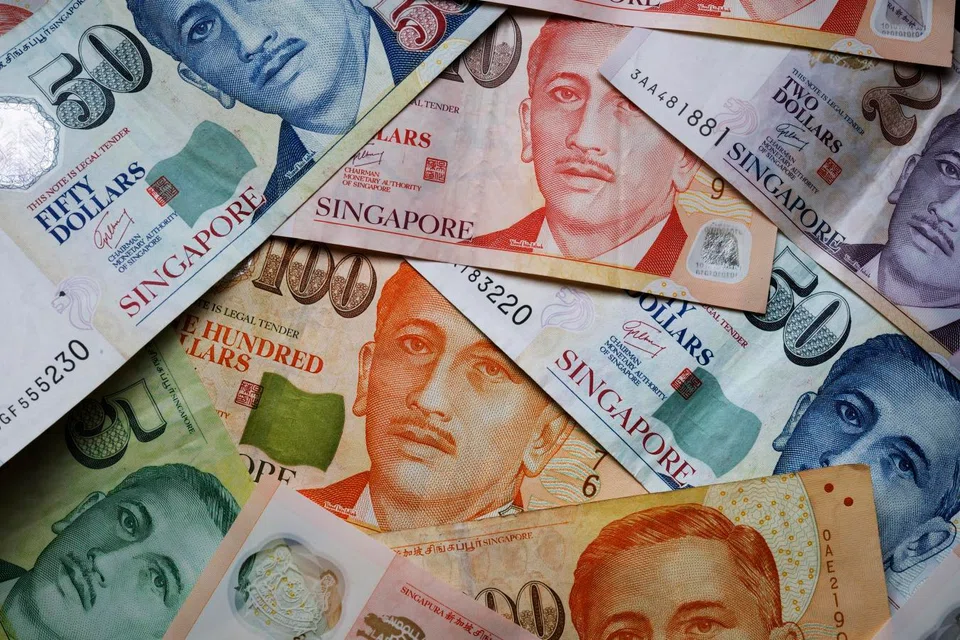
Analysts highlight that the SGD behaved like a “defensive currency” during the conflict’s initial shock phase (March 1 to April 8). It appreciated notably against regional peers, gaining around 3.4% versus the Philippine peso and 2.7% against the Thai baht, with smaller gains against the Indonesian rupiah, Malaysian ringgit and Vietnamese dong. This resilience reflects investor preference for lower-volatility currencies during periods of global stress.
A key factor underpinning the SGD’s strength is the credibility of Singapore’s exchange-rate-based monetary policy, managed by the Monetary Authority of Singapore (MAS). The recent decision to slightly steepen the appreciation path of the Singapore dollar nominal effective exchange rate (S$NEER) has further anchored confidence. Safe-haven demand has also been reinforced by rising oil prices and geopolitical risks linked to the conflict.
Following the April 8 ceasefire announcement, currency dynamics began to shift. Some previously weaker currencies, such as the ringgit and baht, started recovering, signalling a move from broad risk aversion to a more selective rebound. However, others like the rupiah and peso remain under pressure.
A strong SGD brings mixed effects domestically. It helps curb imported inflation and boosts consumers’ purchasing power, but it can hurt export competitiveness and reduce the value of overseas earnings for Singapore-based firms.
Looking ahead, the SGD’s strength is likely to persist as long as geopolitical uncertainty remains and MAS policy stays supportive. However, analysts expect this trend to fade once conditions stabilise, with investors rotating back into higher-growth, trade-sensitive currencies.
No comments:
Post a Comment