Labels

Lifestyle (383) Investing (355) Entertainment (282) Singapore (214) Technology (132) Rewards (125) Equities (97) Gaming (96) AI (79) U.S. (77) Crypto (65) Food (62) Data (60) Travel (57) Insights (55) Portfolio (53) Sports (53) News (38) Movies (35) Credit Card (33) Savings (33) Earnings (28) Policies (25) Shows (24) Holidays (23) Football (21) Tennis (21) Property (19) World (15) Promotions (13) Bonds (12) REITs (12) Toys (12) Malaysia (11) Referral (10) Apps (8) China (8) Anime (7) Cash Management (7) DeFi (7) T-Bills (7) Currency (6) Healthcare (6) ETFs (5) Retirement (5) Security (5) CPF (4) Commodities (4) Miles (4) Shopping (4) Cashback (3) Japan (3) Robotics (3) Weird (3) platform (3) Blog (2) Insurance (2) Reviews (2) Robo-Advisor (2) 1-For-1 (1) Asia (1) Australia (1) Funds Management (1) Futuristic (1) Inflation (1) Nerfs (1) SGD (1) SSB (1) Social (1)

Thursday, 21 May 2026

Gaming Updates: The era of 1,000 Hz gaming monitors has arrived, but why?


Source:


ChatGPT:


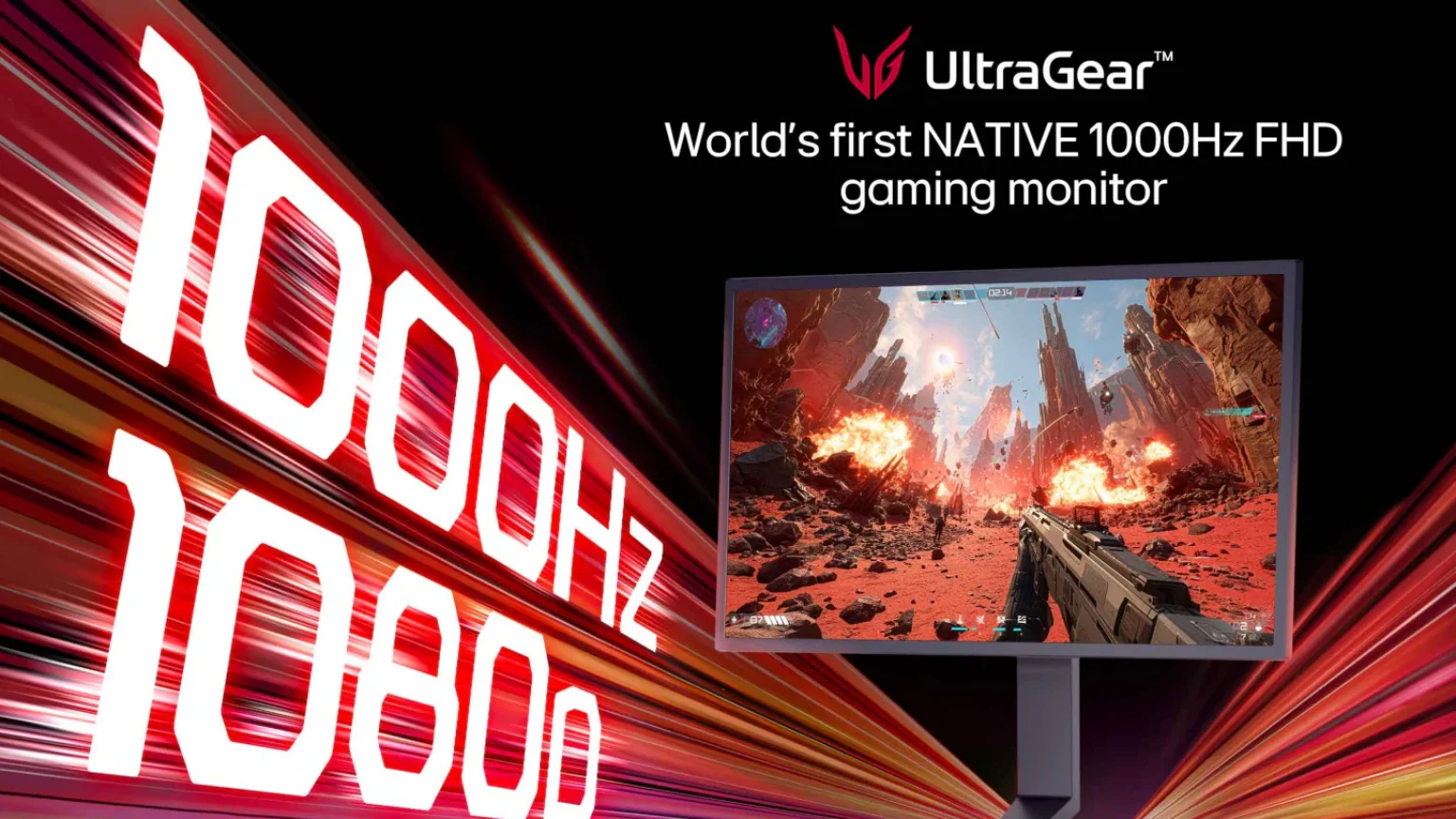
Gaming monitors have entered the 1,000 Hz era, with LG unveiling the UltraGear 25G590B, claimed to be the world’s first native 1080p gaming monitor capable of refreshing 1,000 times per second. That means the screen can display a new frame every millisecond, delivering extremely smooth motion for competitive gaming.

Unlike earlier ultra-fast monitors from brands such as Acer, Samsung, and Philips that required lowering resolution to 720p to reach 1,000 Hz, LG’s monitor achieves the speed while maintaining full HD 1080p quality. It also avoids complicated “dual mode” switching systems that reboot the display to enable higher refresh rates.

The push toward ultra-high refresh rates is driven by research from Blur Busters, which shows that higher refresh rates reduce motion blur and flickering perceived by the human eye. Faster updates make moving objects appear sharper and smoother, especially in fast-paced games. However, the benefits become less noticeable at extreme levels, with diminishing returns beyond several hundred hertz.

The main audience for these displays is competitive esports players, particularly in first-person shooters where split-second reactions matter. LG specifically markets the monitor for esports use. For most gamers, though, experts argue that standard high-refresh monitors in the 240–360 Hz range already provide excellent smoothness at far lower prices.

Since 1,000 Hz monitors are expected to cost significantly more, many users may prefer investing their budget in other hardware upgrades instead of chasing ever-higher refresh numbers.

No comments:

Post a Comment