Source:
ChatGPT:
Singapore generates nearly 95 per cent of its electricity from imported natural gas. To improve energy security, the government is sourcing LNG from countries such as Australia, Mozambique and the United States, while exploring low-carbon alternatives including geothermal energy, carbon capture and even nuclear power. Solar energy remains the most immediate renewable option. Although it currently contributes only 2.5 per cent of Singapore’s electricity mix, experts believe future technologies like lightweight thin-film solar panels and solar canopies over car parks or canals could significantly increase solar capacity over the next decade.
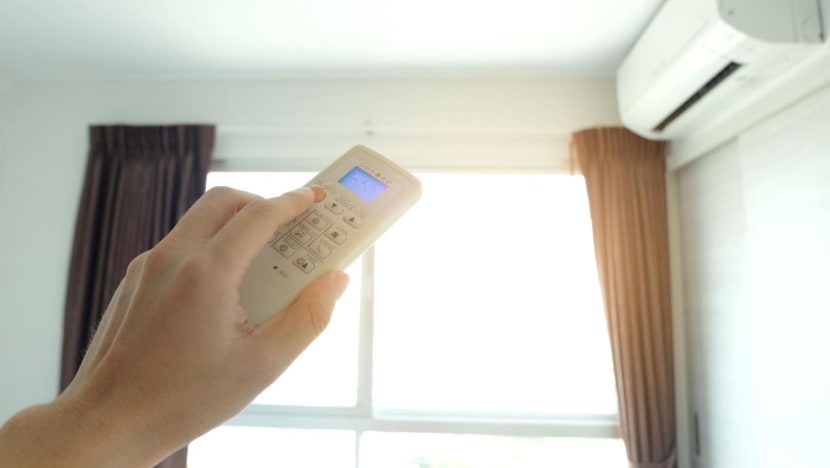
For households, short-term savings can come from reducing “vampire energy” — electricity consumed by devices on standby. Smart TVs, air-conditioning units, Wi-Fi routers, sound bars and water dispensers can quietly add to bills. Turning appliances off at the mains or using smart plugs can help eliminate idle consumption. Air-conditioning is usually the largest contributor, accounting for around 60 per cent of some households’ electricity use. Consumers may also consider fixed-price electricity plans for greater certainty amid fluctuating tariffs.
No comments:
Post a Comment