Source:
ChatGPT:
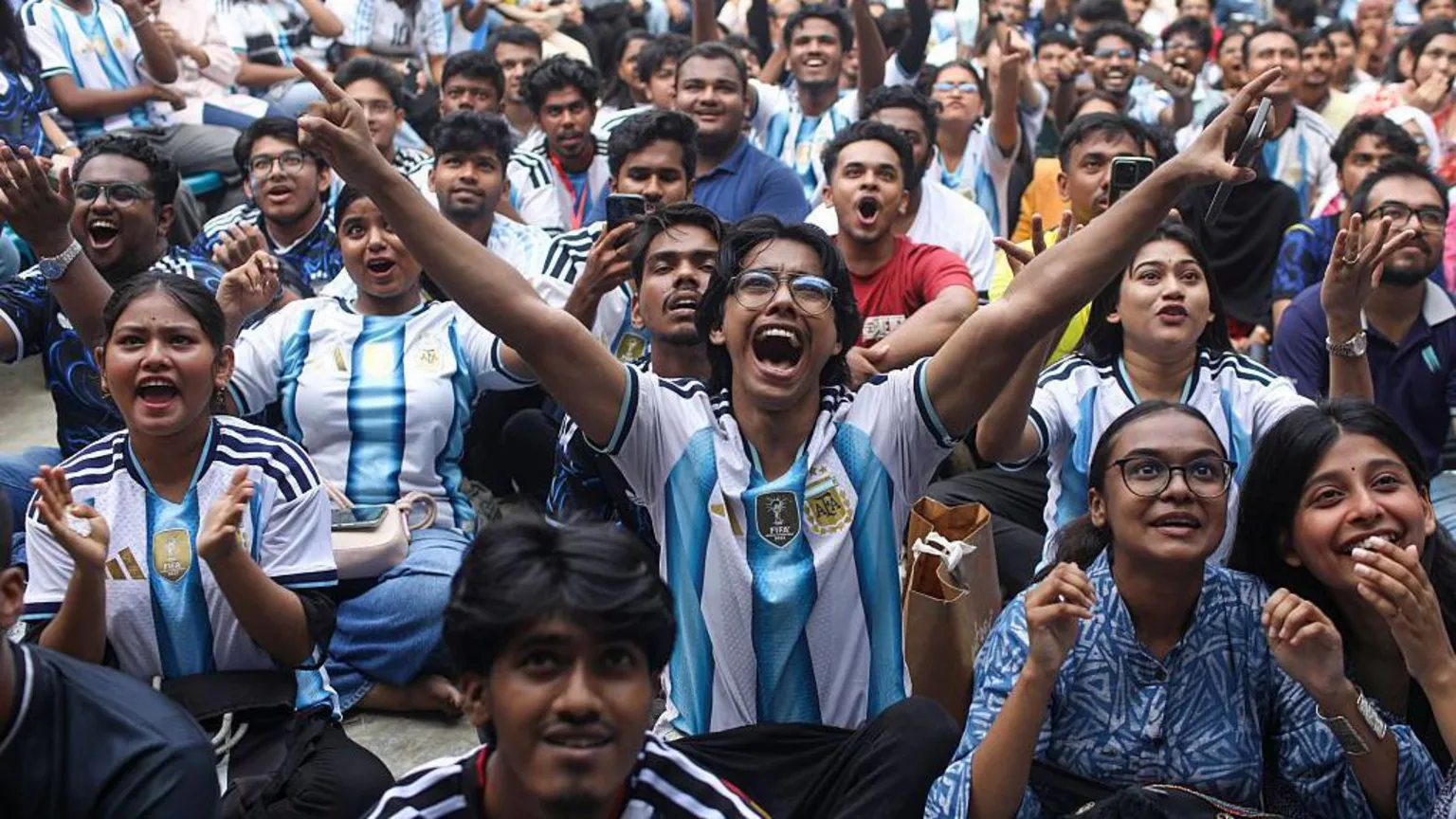
In Bangladesh, thousands gathered in Dhaka to celebrate Lionel Messi and Argentina, reflecting a culture where supporters often adopt successful foreign teams because their own national side has never reached the World Cup. Similar scenes have been seen in India and Indonesia.
According to economist Stefan Szymanski, co-author of Soccernomics, football success depends on three key factors: a large talent pool, financial resources and infrastructure, and long-term footballing know-how. Wealthier nations typically perform better, but footballing tradition also matters, explaining why countries such as Brazil and Argentina consistently excel despite lower income levels than many European nations.
The article examines why several populous countries continue to underperform. India faces competition from cricket, although critics argue weak football governance and inadequate youth development are bigger issues. China has invested heavily but suffers from political interference and ineffective football administration. Indonesia has improved by recruiting overseas players of Indonesian heritage, while Ethiopia struggles with underinvestment and a shortage of suitable stadiums. Pakistan has also been hindered by repeated FIFA suspensions over governance disputes.
Ultimately, the report concludes that sustained investment, professional administration, grassroots development and decades of football culture matter far more than population size. Until those foundations improve, many fans in these countries will continue supporting foreign teams while dreaming of seeing their own nation qualify.
Social media and forum discussion
Football communities largely agree the article accurately identifies governance and youth development as the biggest obstacles.
Indian users debate whether cricket is truly the problem, with many blaming the All India Football Federation (AIFF) instead.
Indonesian fans praise recent progress through diaspora recruitment but argue domestic academies remain essential.
Chinese users discuss state involvement and failed spending during the Chinese Super League boom.
HardwareZone (Singapore)
Discussions compare Southeast Asian football standards.
Members note Singapore, Malaysia and Indonesia also face structural issues despite strong fan interest.
Several comment that Indonesia's diaspora strategy has produced quicker results than neighbours.
X
Many posts share statistics showing population does not equal football success.
Bangladesh and India supporters express hope for future qualification while celebrating their passion for the sport.
Comments are split between praising fan culture and criticizing football associations for poor long-term planning.
Popular posts feature Dhaka's massive Argentina watch parties, with users admiring the atmosphere despite Bangladesh's absence.
TikTok
Videos of Bangladeshi and Indonesian fans celebrating Argentina and Messi have generated strong engagement and discussions about football culture.
Threads
Users highlight Morocco as a model for emerging football nations, arguing sustained investment and coaching—not population—drive success.
Overall sentiment: Most online discussion agrees that governance, infrastructure, youth development and football culture are far more important than population size. Indonesia's recent progress is viewed positively, while India, China and Bangladesh receive the most criticism for failing to convert huge fan bases into competitive national teams.
No comments:
Post a Comment