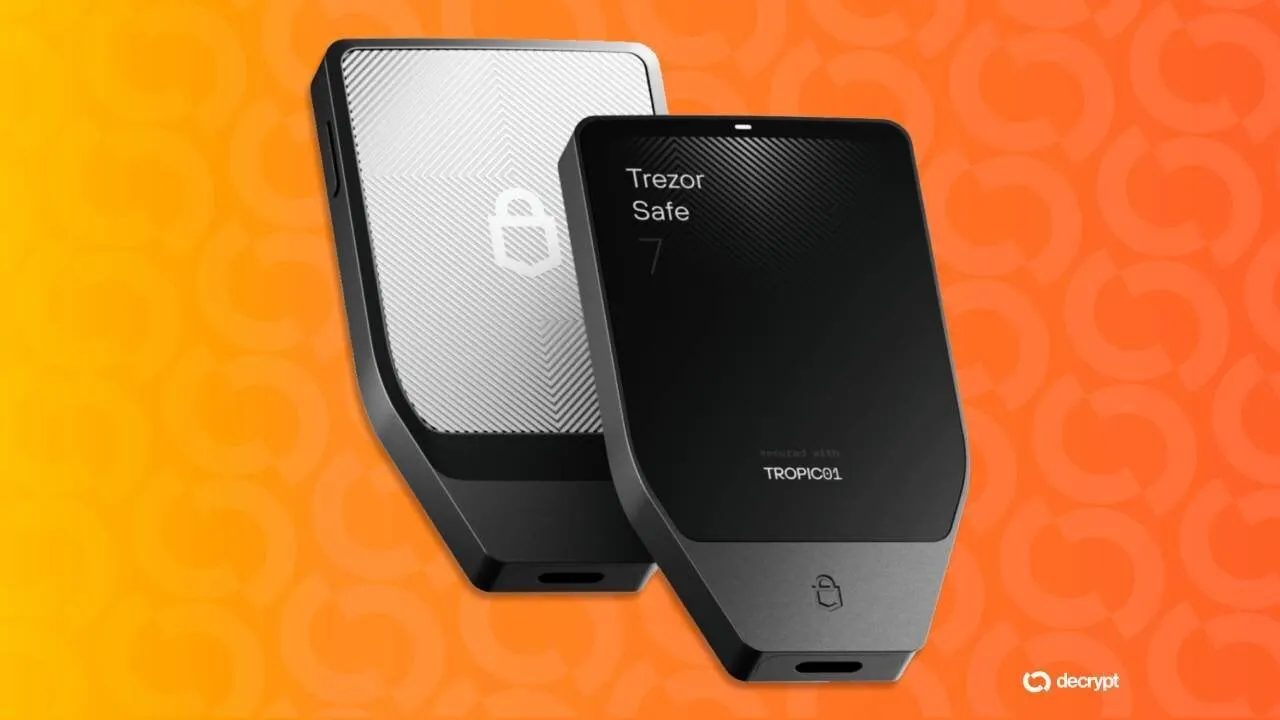
Source:
ChatGPT:
Of those affected, 11,742 customers had their full names, shipping addresses, phone numbers and email addresses exposed, while another 1,947 had their names, cities and email addresses leaked. Trezor says its own systems were not compromised and that wallets, private keys, recovery backups and devices remain secure. (Protos)
The bigger concern is what criminals can do with the information. Because the victims can now potentially be identified as Trezor customers—and, for most, their home addresses are known—the data could enable highly convincing phishing, impersonation and social-engineering attacks. The article also highlights the more serious possibility of physical targeting, noting that crypto-related “wrench attacks” have been increasing. (CryptoRank)
Trezor says its policy requiring fulfilment partners to delete or anonymise order data after 90 days limited the breach's scale. It is also accelerating an Anonymous Delivery option involving locker collection, neutral packaging, generic sender information and automatic deletion of shipping identifiers. The service is targeted for the EU by September and the US by year-end.
The incident comes shortly after the major Coldcard security crisis, making hardware-wallet users particularly nervous. However, the two incidents are fundamentally different: Trezor itself was not hacked, whereas the ShipMonk breach exposed customer information held by a logistics provider.
The main lesson is that even when a hardware wallet securely protects cryptocurrency, the purchase trail and customer's physical identity can remain a significant security vulnerability.
Social media & forum reaction
Reddit has the clearest and strongest reaction so far. A post in r/Bitcoin received about 310 upvotes, while Trezor's own Reddit announcement received about 308. (Reddit)
The dominant sentiment is essentially: “The wallet is safe, but the owner is now easier to target.”
One particularly useful Reddit discussion distinguishes the breach from an actual wallet hack: users emphasised that attackers did not obtain seed phrases, private keys or wallet access. (Reddit)
However, anxiety is still substantial. Users specifically worry about:
Targeted phishing using their real name and purchase history.
Criminals knowing their home address.
Potential physical attacks against wealthy crypto holders.
Trezor's reputation after Ledger previously suffered a customer-data breach.
Whether moving to another hardware-wallet manufacturer actually solves the underlying supply-chain/privacy problem. (Reddit)
There is also frustration from customers who recently bought Trezor specifically because of the recent Coldcard incident. Some commenters described the timing as particularly unfortunate, while others stressed that ShipMonk—not Trezor's wallet infrastructure—was breached. (Reddit)
Interestingly, users are also discussing Amazon purchases. Trezor representatives confirmed that orders from its official Amazon stores use a different fulfilment partner and were not affected. (Reddit)
r/CryptoCurrency reflects similar concerns, with users noting that the Coldcard incident may have pushed more people towards Trezor shortly before this breach. (Reddit)
HardwareZone: I couldn't find a meaningful current HardwareZone discussion specifically about this breach, so there isn't enough evidence to claim a Singapore-forum consensus.
X, Facebook, Instagram, TikTok and Threads: Publicly searchable discussion remains limited because posts are frequently login-gated or poorly indexed. I therefore wouldn't assign a sentiment percentage to these platforms.
Overall takeaway
This is not a Trezor wallet-security breach. It is a customer-privacy and physical-security breach—and arguably that distinction is the most important point.
For affected users, the realistic immediate threat is much more sophisticated phishing, not someone remotely emptying the Trezor. But because the leaked information can link a person's identity and home address to ownership of a hardware wallet, the incident is considerably more serious than an ordinary email database leak. (Financial Times)
No comments:
Post a Comment