Labels

Lifestyle (365) Investing (349) Entertainment (276) Singapore (205) Technology (130) Rewards (120) Equities (97) Gaming (91) AI (78) U.S. (77) Crypto (64) Food (59) Data (57) Portfolio (53) Travel (50) Sports (49) Insights (47) Movies (35) News (35) Credit Card (33) Savings (33) Earnings (27) Policies (25) Shows (24) Holidays (23) Tennis (20) Football (19) Property (15) World (15) Bonds (12) Promotions (12) REITs (12) Toys (11) Referral (10) Apps (8) China (8) Malaysia (8) Anime (7) DeFi (7) Cash Management (6) Healthcare (6) T-Bills (6) Currency (5) ETFs (5) Retirement (5) Security (5) CPF (4) Commodities (4) Shopping (4) Japan (3) Miles (3) Robotics (3) Weird (3) platform (3) Blog (2) Cashback (2) Insurance (2) Reviews (2) Robo-Advisor (2) 1-For-1 (1) Asia (1) Australia (1) Funds Management (1) Futuristic (1) Inflation (1) Nerfs (1) SGD (1) SSB (1) Social (1)

Saturday, 25 April 2026

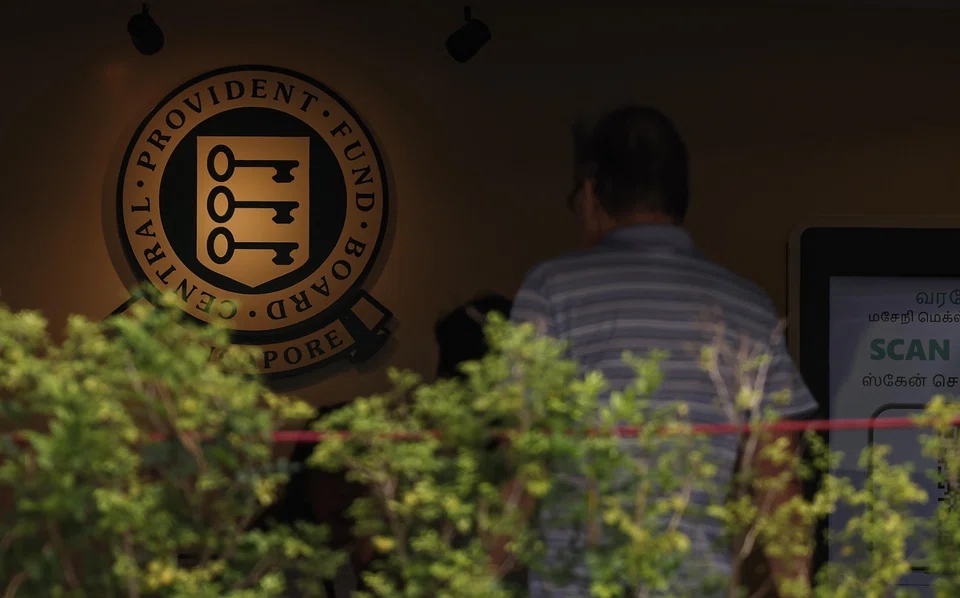
Finance Updates: New CPF life-cycle investment scheme could channel up to S$9 billion a year into Singapore stocks: Citi


Source:


ChatGPT:


A new CPF life-cycle investment scheme, set to launch in 2028, could channel significant funds into Singapore’s stock market, potentially injecting S$6 billion to S$9 billion annually, according to Citi. Announced in Budget 2026, the scheme allows CPF members to invest their savings in diversified portfolios that include equities, offering the potential for higher returns compared to the current risk-free CPF interest rates.

The life-cycle approach automatically adjusts asset allocation over time using a “glide path” mechanism. Younger investors will have higher exposure to riskier assets like equities, while portfolios gradually shift Υ€Υ₯ΥΊΥ« safer instruments such as bonds as retirement nears. This structure simplifies investing and reduces the need for active decision-making.

Citi estimates that with CPF annual inflows of about S$58 billion, allocating just 10–15 per cent into equities could generate sustained liquidity for Singapore’s stock market. This would provide ongoing support even after the Monetary Authority of Singapore’s Equity Market Development Programme (EQDP)—a S$6.5 billion initiative launched in 2025—is fully deployed by 2027.

Currently, only about 3 per cent of CPF’s S$661 billion funds are invested in equities, far below the 10–48 per cent typical among Asia-Pacific pension funds. The new scheme aims to close this gap by addressing barriers such as high fees, complexity, and low investor familiarity. It will feature low-cost funds, simplified portfolios, and automatic rebalancing.

While participation is optional and carries investment risks, Citi believes members could achieve “superior returns” compared to CPF’s guaranteed rates (2.5–4 per cent), given that the Straits Times Index has historically delivered stronger long-term growth.

Overall, the scheme could boost both retirement outcomes and Singapore’s equity market liquidity.


Rewards Updates: Chocolate Games: 4 simple games, 10 million Max Miles to be won


Source:


ChatGPT:


Chocolate Finance is launching “The Chocolate Games,” a 10-day promotional event from April 27 to May 6, 2026, offering a total of 10 million Max Miles in prizes. Open to Singapore residents aged 18 and above, the campaign features four simple mobile games—Blink, Make It Rain, Tap, and Cash Cow—designed to be easy to play but highly rewarding.

Participants can win up to 50,000 Max Miles daily, with prizes awarded to the top 50 scorers in each game. Daily rewards range from 200 to 50,000 miles depending on ranking. There is no limit to the number of attempts per game, and only the highest score per day counts, encouraging repeated play.

Additional earning opportunities include streak bonuses for consecutive days of participation, small score boosts for sharing results on social media, and referral bonuses for inviting friends. Over the 10-day period, about 2,000 winners are expected.

The competition culminates in a live-streamed Grand Finale on May 10, where the top eight players (two from each game) will compete for a 1 million Max Miles prize pool, with the winner taking home 250,000 miles.

Max Miles are a flexible rewards currency in Singapore, offering 1:1 transfers to nearly 30 airline and hotel loyalty programmes. They can also be redeemed for cash value (around 1.8 cents per mile) or hotel stays (up to 3 cents per mile).

Participants must create a Chocolate Finance account and link it to a HeyMax account to redeem winnings. The platform also promotes its Visa debit card, which earns miles on spending, including some bill payments, and offers bonus miles based on account balances.

Overall, the campaign combines gamification with financial rewards to attract and engage users.

Finance Updates: What’s behind the Singdollar’s strength amid the Iran war – and how long will it last?


Source:


ChatGPT:


The Singapore dollar (SGD) has strengthened during the Iran war, standing out among Asean currencies as a relative safe haven amid heightened geopolitical uncertainty. While many regional currencies weakened against the US dollar, the SGD held firm, supported by its reputation for stability and Singapore’s strong policy framework.

Analysts highlight that the SGD behaved like a “defensive currency” during the conflict’s initial shock phase (March 1 to April 8). It appreciated notably against regional peers, gaining around 3.4% versus the Philippine peso and 2.7% against the Thai baht, with smaller gains against the Indonesian rupiah, Malaysian ringgit and Vietnamese dong. This resilience reflects investor preference for lower-volatility currencies during periods of global stress.

A key factor underpinning the SGD’s strength is the credibility of Singapore’s exchange-rate-based monetary policy, managed by the Monetary Authority of Singapore (MAS). The recent decision to slightly steepen the appreciation path of the Singapore dollar nominal effective exchange rate (S$NEER) has further anchored confidence. Safe-haven demand has also been reinforced by rising oil prices and geopolitical risks linked to the conflict.

Following the April 8 ceasefire announcement, currency dynamics began to shift. Some previously weaker currencies, such as the ringgit and baht, started recovering, signalling a move from broad risk aversion to a more selective rebound. However, others like the rupiah and peso remain under pressure.

A strong SGD brings mixed effects domestically. It helps curb imported inflation and boosts consumers’ purchasing power, but it can hurt export competitiveness and reduce the value of overseas earnings for Singapore-based firms.

Looking ahead, the SGD’s strength is likely to persist as long as geopolitical uncertainty remains and MAS policy stays supportive. However, analysts expect this trend to fade once conditions stabilise, with investors rotating back into higher-growth, trade-sensitive currencies.

Entertainment Updates: Someone allegedly used a hairdryer to rig Polymarket weather bets


Source:


ChatGPT:


A report claims that a bettor may have manipulated weather data to profit from prediction markets on Polymarket. The alleged incident took place at Charles de Gaulle Airport in Paris, where a public temperature sensor recorded two unusual spikes in recent weeks. These spikes exceeded forecasted levels and allowed certain gamblers to win large payouts, reportedly totaling around $34,000.

Polymarket bases its weather-related bets on official sensor readings, and the specific device in question was located on a publicly accessible road. Investigators suspect that someone used a battery-powered hairdryer to artificially raise the temperature reading, effectively rigging the outcome. On both occasions, the platform had assigned less than a one percent probability to the temperature reaching those levels, making the successful bets highly lucrative.

France’s national weather agency, MΓ©tΓ©o-France, confirmed it has filed a complaint after detecting physical anomalies on the sensor and irregularities in the data. The case is now being handled by the Air Transport Gendarmerie. While Polymarket has not required any winnings to be returned, the affected sensor has since been relocated to prevent further tampering.

The incident highlights a broader vulnerability in prediction markets that rely on real-world data inputs. When physical systems can be accessed and manipulated, outcomes tied to financial incentives become susceptible to fraud. This raises concerns about the types of events offered for betting, especially as platforms like Polymarket and Kalshi host markets on sensitive geopolitical and legal issues.

Ultimately, the episode underscores the risks of linking financial speculation to real-world, alterable conditions—where even simple tools can potentially distort outcomes for profit.

Tuesday, 21 April 2026

Investing Updates: Investors pull $15bn from DeFi as latest hack sparks security fears


Source:


ChatGPT:


Investor confidence in decentralised finance (DeFi) has taken a sharp hit after a series of major hacks, triggering over $15 billion in withdrawals from leading protocols. The latest incident involved Kelp DAO, a restaking app on Ethereum, where hackers stole approximately $294 million. The attack is part of a broader wave of cybercrime linked to North Korean groups, which have already taken nearly $600 million from crypto platforms in 2026.

The fallout has been significant. Total Value Locked (TVL) across DeFi platforms dropped sharply, with Aave alone losing about $10 billion—roughly 22% of its deposits. Other major platforms, including Morpho and Sky, also saw substantial outflows. These declines were partly due to their exposure to Kelp DAO’s compromised rsETH token. Even unrelated ecosystems were affected, as Kamino on Solana recorded $280 million in withdrawals.

Security concerns are intensifying as attacks grow more advanced. Hackers are increasingly leveraging artificial intelligence to scan code for vulnerabilities and executing complex, coordinated exploits—such as forging cross-chain messages in the Kelp DAO breach. Earlier in April, another major exploit targeted Drift on Solana, highlighting systemic weaknesses.

While DeFi has long been a target for hackers, the scale and sophistication of recent attacks are alarming investors. Losses from crypto hacks exceeded $3.4 billion in 2025, and 2026 is already on track to rival or surpass that figure. Unlike traditional finance, DeFi transactions are typically irreversible, meaning stolen funds are rarely recovered.

Overall, rising security risks are undermining trust in DeFi just as the sector seeks greater institutional adoption, posing a significant challenge to its growth.

Investing Updates: Singapore’s OCBC launches tokenized gold fund on Ethereum and Solana


Source:


ChatGPT:


OCBC Bank has launched a tokenized physical gold fund, marking a significant step in bridging traditional finance with blockchain technology. The fund’s digital token, GOLDX, is issued on both Ethereum and Solana, allowing investors to gain exposure to gold through blockchain-based assets.

The initiative was developed in partnership with Lion Global Investors and digital asset exchange DigiFT. It is primarily targeted at institutional investors, hedge funds, and asset managers, though it also aims to attract high-net-worth individuals active in crypto and Web3 ecosystems. Investors can subscribe using either fiat currencies or stablecoins, with tokens delivered directly to their blockchain wallets.

GOLDX represents on-chain access to the LionGlobal Singapore Physical Gold Fund, which launched in December and held about $525 million in assets under management as of mid-April 2026. This structure allows investors to benefit from gold exposure while leveraging the flexibility, transparency, and accessibility of blockchain technology.

The launch comes amid rapid growth in tokenized real-world assets (RWAs), which have surpassed $29 billion in value on public blockchains—an increase of over 10% in the past month alone. OCBC sees this as a key opportunity to expand its digital asset strategy and integrate decentralized finance (DeFi) with traditional financial products.

This is not OCBC’s first move into tokenization; the bank previously introduced a tokenized equity-linked note in 2023. With total assets of around $526 billion as of end-2025, OCBC’s latest initiative signals growing confidence among major financial institutions in blockchain-based investment products and the broader digital asset ecosystem.

Gaming Updates: Dragon Quest Smash/Grow is out now on iOS and Android, bringing a twist to the JRPG series


Source:


ChatGPT:


Dragon Quest Smash/Grow has launched on iOS and Android, offering a fresh spin on the long-running Dragon Quest formula. Developed by Square Enix, the mobile title blends traditional RPG progression with Survivors-style isometric action, creating a hybrid experience aimed at both longtime fans and newcomers.

Players take on the role of a nameless hero tasked with saving the world of Valdecia, which is threatened by mysterious space-time ruptures known as Rifts. These Rifts unleash iconic monsters from across the series, and players must battle through dungeon-like stages before facing powerful “alpha” bosses at the end of each run. Gameplay revolves around building a party of three adventurers, each with distinct classes and abilities, and gradually strengthening them through leveling and upgrades.

The game leans heavily into the franchise’s roots, featuring familiar enemy designs inspired by Akira Toriyama, alongside a nostalgic fantasy setting. At the same time, it introduces modern mobile-friendly mechanics, including automated combat elements and streamlined progression systems designed for quick sessions.

Reception appears mixed. While the game’s polished 3D visuals, variety of classes, and nostalgic appeal are clear strengths, some players may find its heavy reliance on auto-play and grinding less engaging. The blend of action and RPG systems may not fully satisfy those seeking deeper interactivity, but it still offers a competent and accessible experience.

Overall, Dragon Quest Smash/Grow represents another attempt to adapt a classic JRPG franchise for mobile audiences. Though not groundbreaking, it provides a solid mix of familiar charm and new mechanics, making it worth trying—especially for fans of the series.

Gaming Updates: The 10 Most Anticipated Indie Games Of 2026


Source:


ChatGPT:


2026 is shaping up to be a standout year for indie games, with a diverse lineup spanning genres, styles, and storytelling approaches. Even after strong early releases like Cairn and Perfect Tides: Station to Station, the upcoming slate suggests the year’s best is still ahead.

Leading the list is Mina the Hollower, a retro-inspired action-adventure from Yacht Club Games that blends pixel art with fast-paced combat and exploration. Denshattack! offers a unique arcade platformer twist, letting players control a trick-performing train through vibrant levels, while Dead as Disco mixes rhythm and combat in a stylish, music-driven beat-’em-up.

Several titles push creative boundaries. Titanium Court combines match-3 puzzles with strategy and surreal storytelling, while ONTOS delivers a psychological sci-fi mystery centered on identity and existential choices. Zero Parades: For Dead Spies leans into narrative depth, offering a dialogue-heavy RPG focused on espionage and internal conflict rather than combat.

Cozy and social experiences also stand out. Witchbrook invites players into a magical school life simulator with farming, relationships, and spellcasting, while Coffee Talk Tokyo continues its relaxing cafΓ© storytelling formula with new characters and branching narratives. Big Walk emphasizes cooperative exploration, encouraging players to solve puzzles and communicate creatively in a shared world.

Rounding out the list, At Fate’s End blends emotional storytelling with action-adventure gameplay, focusing on family conflict and player-driven choices.

Overall, 2026’s indie lineup highlights the creativity and risk-taking that define the scene. From experimental mechanics to heartfelt narratives, these games demonstrate how indie developers continue to innovate, offering experiences that rival—and often surpass—big-budget titles in originality and impact.

Monday, 20 April 2026

LifeStyle Updates: Dragon Ball Super Reveals New Anime Releasing Later This Year


Source:


ChatGPT:


The future of the Dragon Ball Super franchise has been officially unveiled during Dragon Ball Games Battle Hour 2026, marking its 40th anniversary with major announcements.

The highlight is Dragon Ball Super: Beerus, a remake of the original “Battle of Gods” arc, set to air in Fall 2026 on Fuji TV. This new version will feature upgraded animation, improved art direction, and additional scenes, aiming to more faithfully adapt the manga by Akira Toriyama and Toyotarou. It is expected to address criticisms of the original anime’s early episodes, which were known for weaker animation quality, while reducing filler content for a tighter narrative.

At the end of the newly released trailer, a second anime titled Dragon Ball Super: Frieza was teased. Confirmed by Goku’s voice actress Masako Nozawa, this installment will be an enhanced retelling of the Resurrection F arc, focusing on Goku and Frieza’s battle.

Importantly, these releases are just the beginning of a much larger remake project. Future arcs are expected to follow in sequence, including Universe 6, Goku Black, and Jiren sagas, before adapting the Dragon Ball Super: Broly storyline into episodic format. The series will then progress into newer manga arcs like the Galactic Patrol (Moro Saga), Granolah the Survivor, and eventually a remake of Dragon Ball Super: Super Hero.

This long-term roadmap suggests a comprehensive effort by Toei Animation to modernize and align the anime closely with the manga, ultimately leading toward adapting the anticipated Black Frieza saga.

Investing Updates: CapitaLand Ascendas REIT preferential offering oversubscribed with strong excess demand


Source:


ChatGPT:


The preferential offering by CapitaLand Ascendas REIT was strongly oversubscribed, signalling robust investor demand despite mixed participation from existing unitholders.

Launched at S$2.35 per unit on the basis of 28 new units per 1,000 held, the offering aimed to fund part of a S$1.4 billion acquisition in Singapore and Japan. Total applications reached 315.4 million units—about 244% of the 129.1 million units available—driven largely by excess applications rather than initial entitlements.

Valid acceptances from entitled unitholders amounted to 96.1 million units, or 74.45% of the total offering, indicating that not all investors took up their allocated shares. This left around 33 million units available for excess allocation. However, demand for excess units surged to 219.3 million units—about 6.6 times the available balance—meaning applicants are unlikely to receive their full requested amounts.

Importantly, the REIT’s sponsor, CLI RE Fund Investments, fully subscribed to its entitlement, reinforcing confidence in the exercise. Post-offering, it will hold about 16.07% of total units.

From a fundamentals perspective, the acquisitions funded by this exercise are expected to be accretive. Pro forma figures suggest a 2.1% increase in FY2025 distribution per unit (DPU), rising further to around 4.1% when including additional acquisitions. Financial metrics remain stable, with only a slight increase in leverage and an improvement in net asset value.

Overall, the strong excess demand helps absorb unsubscribed units and reduces overhang concerns. Combined with attractive valuation metrics—such as a dividend yield of 5.9% above historical averages—the REIT remains appealing for income-focused investors.