Labels

Lifestyle (411) Investing (373) Entertainment (295) Singapore (230) Technology (137) Rewards (126) Gaming (100) Equities (97) AI (83) U.S. (77) Insights (75) Food (70) Data (69) Crypto (67) Sports (61) Travel (61) Portfolio (53) News (43) Movies (35) Credit Card (34) Savings (34) Earnings (28) Football (25) Policies (25) Shows (24) Holidays (23) Property (22) Tennis (22) World (15) Bonds (14) Promotions (13) REITs (13) Toys (13) Malaysia (12) T-Bills (11) China (10) Referral (10) Healthcare (9) Anime (8) Apps (8) DeFi (8) Cash Management (7) Currency (6) ETFs (5) Miles (5) Retirement (5) Security (5) Shopping (5) CPF (4) Commodities (4) Robotics (4) Weird (4) Cashback (3) Insurance (3) Japan (3) platform (3) Blog (2) Reviews (2) Robo-Advisor (2) 1-For-1 (1) Asia (1) Australia (1) Funds Management (1) Futuristic (1) Indonesia (1) Inflation (1) Nerfs (1) SGD (1) SSB (1) Social (1)

Friday, 3 July 2026

LifeStyle Updates: Residents in towns like Sembawang, Bukit Panjang, Punggol have longest work commutes


Source:


ChatGPT:


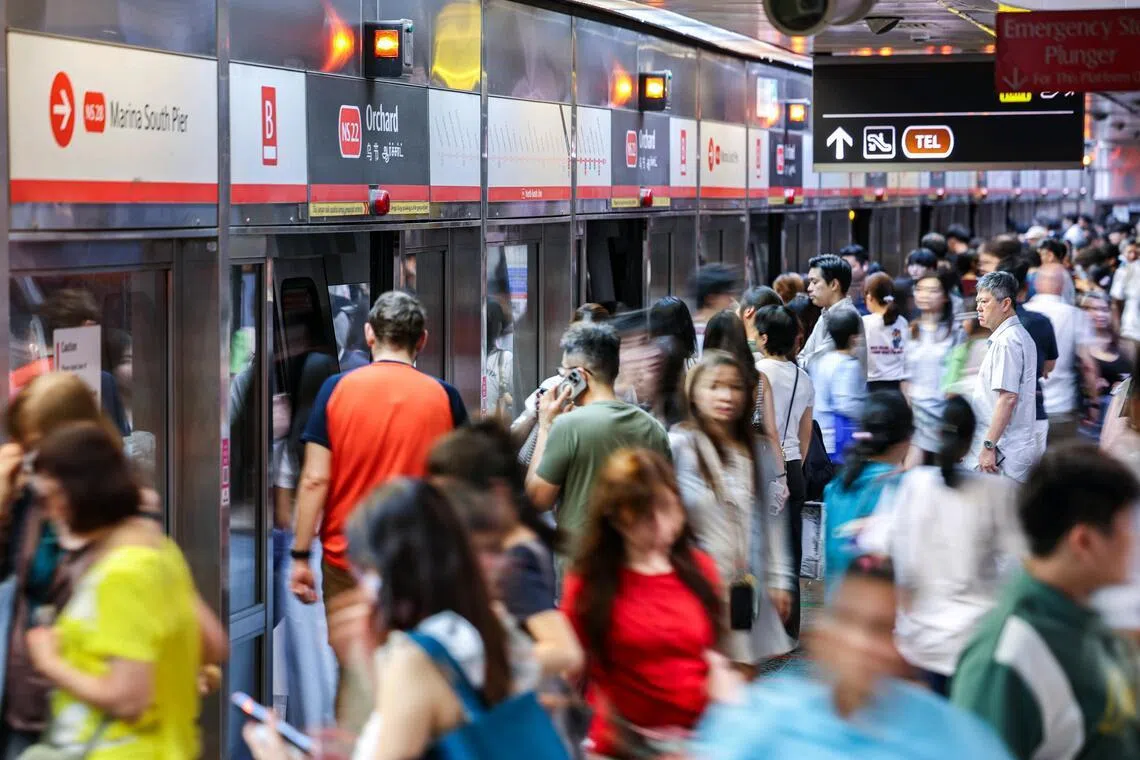
Singapore's General Household Survey 2025 found that Sembawang residents have the country's longest median commute to work at 50 minutes, while residents of Bukit Batok, Bukit Panjang, Choa Chu Kang, Jurong West, Punggol, Sengkang, Tengah, Woodlands and Yishun recorded median commute times of 45 minutes. The main reason is geographical—almost half of employed Singapore residents work in the Central Region, meaning those living farther away naturally face longer journeys.

Transport experts noted that employment remains concentrated in the Downtown Core, Tuas and Pasir Panjang. Residents in outer towns often rely on multiple transport modes, including buses and MRT transfers, increasing travel times. Local MPs highlighted that express buses, the North-South Line, Downtown Line and Thomson-East Coast Line help improve connectivity, though some neighbourhoods remain less convenient.

The Land Transport Authority (LTA) said improvements are underway through the Cross Island Line, Jurong Region Line, and the Bus Connectivity Enhancement Programme, which has introduced new and enhanced bus services benefiting about 244,000 commuters daily.

At the opposite end, Tanglin recorded the shortest median commute at 25 minutes, followed by Bukit Merah, Bukit Timah, Clementi, Geylang, Kallang, Marine Parade, Novena, Outram, Queenstown and Toa Payoh at 30 minutes. Higher car ownership in these areas also contributes to shorter travel times.

The survey also found public transport usage rising from 57.7% in 2020 to 60.1% in 2025. Combined bus-and-rail journeys increased, while bus-only commuting declined. Interestingly, bus-only commuters had the shortest median journey (35 minutes), while commuters using both bus and rail recorded the longest (56 minutes), reflecting longer-distance travel and transfers rather than poorer transport quality.


Social media & forum discussion

HardwareZone

  • The article generated active discussion.

  • Many users said the findings were unsurprising, citing the long journeys from Sembawang, Punggol, Choa Chu Kang and Bukit Panjang to central Singapore.

  • Common suggestions included decentralising jobs to regional business hubs and expanding MRT connectivity.

Reddit

  • r/singapore users largely agreed with the findings.

  • Many shared personal commute times of 45–90 minutes.

  • Discussions focused on:

    • Whether long commutes reduce work-life balance.

    • The benefits of hybrid work.

    • Whether housing should be located closer to employment centres.

X

  • Users shared infographics from the survey.

  • Some questioned why Singapore's compact size still results in hour-long commutes, while others praised the reliability of public transport despite the travel time.

Facebook

  • Residents shared their own commuting experiences.

  • Many welcomed upcoming MRT lines but said improvements cannot come soon enough.

Instagram

  • Local news accounts posted commute rankings.

  • Comments centred on relatable experiences and comparisons between different towns.

TikTok

  • Creators produced "day in my commute" videos showing lengthy train journeys from northern and western estates.

  • Many highlighted crowded peak-hour conditions rather than travel time alone.

Threads

  • Conversations focused on quality of life, flexible work arrangements and decentralising offices.

  • Many argued commute comfort and reliability matter as much as journey duration.

Overall sentiment

Online sentiment is largely unsurprised but constructive. Most Singaporeans accept that outer-town residents face longer commutes because jobs remain concentrated in central areas. The strongest themes are support for new MRT lines, more regional employment hubs, and greater workplace flexibility to reduce commuting time and improve quality of life.


Technology Updates: A $7,999 home robot joins the race to automate household chores


Source:


ChatGPT:


Weave Robotics has introduced Isaac 1, a home robot designed to automate everyday household chores, marking another step toward mainstream consumer robotics. Backed by Y Combinator, the startup unveiled the robot with a starting price of US$7,999 or a US$449 monthly subscription, making it significantly cheaper than rival home robots such as 1X's Neo, which is expected to cost around US$20,000. (Business Insider)

Isaac 1 can fold laundry, make beds, tidy rooms and pick up clutter. Unlike traditional robot vacuums, it features two robotic arms mounted on a wheeled base and is designed to operate autonomously for routine tasks. If it encounters situations it cannot handle, remote human operators can take control to complete the job. Deliveries are expected to begin in California in autumn 2026 before expanding further. (Business Insider)

The launch has generated significant online attention, with Weave Robotics' announcement on X attracting over 13 million views shortly after publication. Many see Isaac 1 as evidence that household robots are becoming more affordable and practical, although the technology remains in its early stages. (Business Insider)

Not everyone is convinced. Critics describe the robot as slow and somewhat clunky, while privacy advocates question how data collected inside homes may be used. Weave states that customer information helps improve its services but has not clarified whether household data will be used to train future AI models. (Business Insider)

Isaac 1 enters an increasingly competitive market alongside Tesla Optimus and 1X Neo, highlighting the growing race to bring capable home robots into everyday households. The industry still faces technical challenges, particularly in training robots to operate reliably in unpredictable real-world home environments. (Business Insider)


Social media & forum discussion

X

  • The announcement exceeded 13 million views, making it one of the week's most-discussed robotics launches. (Business Insider)

  • Many praised the US$7,999 price as a milestone toward affordable home robots.

  • Viral comments included "Closer and closer to never doing chores again" and "It's about to get very strange."

Reddit

  • Users compared Isaac 1 with Tesla Optimus and 1X Neo.

  • Common reactions:

    • "Roomba with arms."

    • Excitement over the lower price.

    • Skepticism about how autonomous it really is because of remote human assistance.

    • Privacy concerns about cameras operating inside homes.

HardwareZone

  • No dedicated discussion yet.

  • Existing AI and robotics threads reference Isaac 1 as another sign consumer robots may become common within this decade.

Facebook

  • Tech pages shared demonstration videos.

  • Comments were split between excitement and doubts about reliability, maintenance costs and practicality.

Instagram

  • Robotics creators highlighted its soft, home-friendly design and laundry-folding demonstrations.

  • Many compared it with futuristic robots from science fiction.

TikTok

  • Demo clips of Isaac 1 folding clothes and making beds attracted strong engagement.

  • Popular comments questioned whether the robot could justify its price and handle messy homes.

Threads

  • Discussion centred on affordability versus capability.

  • Users debated whether remote teleoperation means the robot is truly autonomous.

Overall sentiment

Online sentiment is cautiously optimistic. Most people see Isaac 1 as an important step toward practical household robotics thanks to its relatively low price. However, concerns about speed, privacy, remote human intervention and real-world reliability suggest consumers remain intrigued but are waiting to see whether home robots can consistently deliver on their promises.

Investing Updates: Dividend investing is a popular strategy with Singapore investors, but does it still make sense today?


Source:


ChatGPT:

Dividend investing remains a favourite strategy among Singapore investors, but financial experts say it should form only part of a well-diversified portfolio rather than being the primary investment focus.

Experts from OCBC, Providend and Syfe agree that dividends provide reliable cash flow, particularly during periods of market uncertainty, inflation and volatility. Regular payouts can reduce the need to sell investments during market downturns and help investors preserve purchasing power compared with leaving cash in low-interest savings accounts.

However, they caution that investors often mistake dividend-paying stocks for "safe" investments. Dividend payments can be reduced or suspended, share prices can decline after dividends are paid, and companies concentrated in traditional income sectors—such as Singapore banks, property stocks and REITs—may expose investors to sector-specific risks. Bond funds and REITs are also sensitive to interest-rate movements.

Another concern is opportunity cost. Companies that distribute large portions of their profits typically have fewer opportunities for rapid expansion, while high-growth firms often reinvest earnings instead of paying dividends. Investors who focus exclusively on dividend income may therefore miss out on stronger long-term capital appreciation, particularly in sectors such as technology and artificial intelligence.

The experts recommend balancing an "income engine" with a "growth engine." Younger investors with longer investment horizons may benefit from allocating more towards growth assets, whereas retirees may prioritise stable income but should still retain some exposure to growth investments to combat inflation over retirement, which can last decades.

A suitable portfolio should reflect an individual's financial goals, cash-flow needs, investment horizon and risk tolerance. High-quality bonds, dividend-paying stocks, REITs and equity-income funds can all play a role, but diversification remains the key principle. Ultimately, successful investing depends not on chasing dividend yields alone but on achieving sustainable total returns over time.


Social media & forum discussion

HardwareZone

  • Dividend investing remains one of the forum's most discussed investment topics.

  • Many members continue favouring Singapore bank stocks and REITs for passive income, while others increasingly advocate global ETFs for stronger long-term returns.

  • The CNA article sparked debate over balancing income with growth rather than pursuing high yields alone.

Reddit

  • Discussions on r/singaporefi broadly agree with the article.

  • Many users recommend prioritising total return over dividend yield, noting that dividends are not "free money."

  • Others still value dividends for psychological comfort and retirement income.

X (Twitter)

  • Wealth advisers and finance commentators shared the article, emphasising diversification and warning against "yield traps."

  • Some highlighted the continued attractiveness of Singapore bank dividends despite market uncertainty.

Facebook

  • Investment groups discussed whether current dividend yields justify holding REITs amid changing interest-rate expectations.

  • Retirees generally favoured dividend strategies, while younger investors leaned towards growth-focused ETFs.

Instagram

  • Personal finance creators summarised the article using infographics explaining dividend yield, total return and portfolio allocation.

  • Educational content encouraging balanced investing received positive engagement.

TikTok

  • Finance creators produced short videos explaining why dividends alone do not guarantee investment success.

  • Many encouraged beginners to combine dividend stocks with index funds.

Threads

  • Users debated whether Singapore's dividend culture causes investors to overlook global growth opportunities.

  • Most agreed dividends remain useful but should not dominate a portfolio.

Overall sentiment

Online sentiment is balanced and educational. Most investors continue to appreciate dividend income, especially for retirement and passive cash flow, but there is growing consensus that focusing solely on dividends can limit long-term wealth creation. Across forums, diversification and total return are increasingly viewed as more important than chasing the highest dividend yield.

Food Updates: World Chocolate Day 2026 Singapore: 9 best chocolate deals


Source:


ChatGPT:


World Chocolate Day, celebrated on 7 July 2026, has inspired numerous brands across Singapore to roll out limited-time promotions, giving chocolate lovers plenty of opportunities to enjoy discounts, freebies and exclusive rewards.

Among the highlights, Foreword Coffee and OATSIDE are offering a 1-for-1 Double Chocolate Oat Mocha from 6–12 July, followed by a discounted price of S$7.20 for the rest of July. The Dark Gallery is giving customers a free second scoop with any purchase of its chocolate ice cream on 7 July.

Through the CapitaStar app using the reward code ILOVECHOC, shoppers can redeem several exclusive promotions. ROYCE' is offering 50% off its 40-piece Pure Chocolate box and giving away free 20-piece boxes at Westgate to the first 200 redemptions. Venchi has 50% off selected chocolates, complimentary gelato upgrades and free gift boxes for early redeemers. The Coffee Bean & Tea Leaf is also providing 50% off its Large Choc Cookie Crumble Ice Blended drink.

Other participating brands include Kenangan Coffee, which is selling two chocolate beverages for S$9.90, while FairPrice Xtra is rewarding shoppers who spend at least S$18 on participating chocolate brands with mystery gifts. Takashimaya Department Store features special prices on imported chocolates, cakes and Japanese desserts, while Phoon Huat and RedMan are offering 15% off chocolate products, free vouchers with qualifying purchases and a chance to win chocolate fountains.

The promotions cater to a wide range of preferences, from premium chocolates and artisan desserts to cafΓ© beverages and baking ingredients. Most offers are available only while stocks last or have limited redemption quotas, encouraging consumers to visit participating stores early to secure the best deals.


Social media & forum discussion

Facebook

  • Brands including ROYCE', Venchi, Takashimaya, FairPrice and CapitaLand are actively promoting these offers.

  • Users are tagging friends, sharing redemption tips and planning shopping trips together.

Instagram

  • Food influencers and cafΓ© accounts are showcasing the chocolate drinks, gelato and desserts.

  • Foreword Coffee, The Dark Gallery and Kenangan Coffee have generated strong engagement through visually appealing posts and reels.

TikTok

  • Short videos highlight "best World Chocolate Day deals" and cafΓ© visits.

  • Taste-test videos for drinks and premium chocolates are gaining traction, with many creators recommending the CapitaStar promotions.

Reddit

  • Discussions are limited but positive on Singapore-related subreddits.

  • Users are sharing the best-value promotions, especially the 50% discounts and free ROYCE' or Venchi redemptions.

  • Some advise arriving early due to limited quotas.

HardwareZone

  • No major discussion thread has emerged specifically for World Chocolate Day 2026.

  • Existing food and supermarket deal threads occasionally mention the CapitaStar and FairPrice promotions.

X (Twitter)

  • Users are sharing promotional graphics and reminding followers about the one-day offers.

  • Many posts encourage people not to miss the free gifts and limited redemptions.

Threads

  • Lifestyle creators are posting cafΓ© recommendations and highlighting their favourite chocolate deals.

  • Conversations are largely positive, focusing on value and new products.

Overall sentiment

The online response is strongly positive. Consumers appreciate the variety of promotions across cafΓ©s, premium chocolate brands and supermarkets. The ROYCE', Venchi and CapitaStar offers are generating the most excitement due to their generous discounts and free gifts, while many users recommend visiting early because several promotions are capped at the first few hundred redemptions.

Food Updates: Dubai Chocolate… But Make It Pepsi?! 7-Eleven Just Dropped This Wild New Drink


Source:


ChatGPT:


Singapore's 7-Eleven has launched Pepsi Dubai Chocolate, an exclusive limited-edition soft drink inspired by the viral Dubai chocolate trend. Rather than offering another chocolate bar or dessert, the retailer is bringing the flavour into a carbonated Pepsi, combining the familiar cola taste with dessert-inspired chocolate and pistachio notes. The launch aims to capitalize on consumers' curiosity surrounding one of the biggest food trends of the past two years. (MoneyDigest.sg)

The drink is available at selected 7-Eleven outlets and through the 7-Eleven app while stocks last. As with many limited releases, availability may differ between stores, encouraging shoppers to purchase whenever they spot it. (MoneyDigest.sg)

The product follows the global explosion of "Dubai chocolate," originally made famous by its combination of milk chocolate, pistachio cream and crispy knafeh pastry. The flavour has since expanded into numerous products worldwide, including ice cream, pancakes, brownies, milkshakes and now soft drinks. (Allrecipes)

Unlike a traditional chocolate beverage, Pepsi Dubai Chocolate focuses on recreating the dessert's overall flavour profile in fizzy form. The unusual concept is expected to attract adventurous consumers eager to experience the latest food trend, even if only once.

The launch also demonstrates how beverage brands are increasingly embracing viral social media trends to generate buzz and limited-time demand. Whether consumers end up loving or disliking the flavour, Pepsi is likely to achieve its objective of getting people talking and sharing their first impressions online.

For fans of novelty beverages and collectors of limited-edition drinks, Pepsi Dubai Chocolate represents one of the year's most unusual convenience-store exclusives and another example of how the Dubai chocolate phenomenon continues evolving beyond confectionery.


Social media & forum reactions

Reddit

  • Discussion is highly active across multiple subreddits.

  • Initial reaction is disbelief ("Why does this exist?"), but many users admit they still want to try it. (Reddit)

  • Those who've tasted it commonly describe it as Pepsi with a pistachio or vanilla-like aftertaste, with surprisingly little chocolate flavour. (Reddit)

  • Opinions are split between "surprisingly good" and "one sip was enough." (Reddit)

HardwareZone

  • No discussion yet on the Pepsi version.

  • Earlier Dubai chocolate threads show mixed opinions, with some praising the flavour while others say the trend is overpriced and overhyped. (HardwareZone Forums)

X (Twitter)

  • Users are sharing photos and joking that brands are putting "Dubai chocolate" on everything.

  • Many posts express curiosity more than enthusiasm. (Know Your Meme)

TikTok

  • Taste-test videos dominate.

  • Creators film first reactions, often comparing it to vanilla cola with pistachio notes rather than actual chocolate. (Allrecipes)

Instagram

  • Food influencers are posting aesthetic photos and reels featuring the limited-edition can.

  • Most engagement revolves around "worth trying?" rather than strong recommendations. (Mini Me Insights)

Facebook

  • Convenience-store and food deal groups are sharing sightings at 7-Eleven and encouraging members to grab one before stocks run out. (MoneyDigest.sg)

Threads

  • Conversation mirrors X: humorous takes, memes about the never-ending Dubai chocolate craze, and debates over whether the trend has gone too far. (Meme.com)

Overall sentiment

Online sentiment is mixed but highly curious. Most people agree the concept sounds unusual, yet many buy it simply to satisfy their curiosity. Reviews suggest the drink is more pistachio-forward than chocolate-heavy, making it less bizarre than expected, while its limited availability and novelty are driving much of the buzz. (Reddit)

Wednesday, 1 July 2026

Sports Updates: Great stories, little jeopardy - does the new World Cup format work?


Source:


ChatGPT:


The expanded 2026 FIFA World Cup group stage has produced mixed reviews. The new 48-team format increased participation, created fresh storylines and boosted global representation, but critics argue it also reduced competitiveness and suspense. With 12 groups of four and the top two plus the eight best third-placed teams advancing to the Round of 32, many traditional football powers progressed comfortably.

One of the tournament’s biggest success stories has been Cape Verde, which shocked many by reaching the knockout stage ahead of Uruguay. Goalkeeper Vozinha became an overnight social media sensation after helping hold Spain to a draw, while other first-time knockout qualifiers included Bosnia and Herzegovina, Canada, DR Congo, Egypt, Ivory Coast, and South Africa.

Africa emerged as one of the biggest winners, with nine of its 10 teams reaching the Round of 32. In contrast, Asian teams struggled, recording only three wins in 27 matches, with only Japan and Australia advancing. Several Concacaf teams also failed to impress despite additional qualification spots.

However, critics argue the new format reduced jeopardy. Four teams secured first place before their final group match, while five teams were already eliminated early. FIFA’s decision to use head-to-head results before goal difference further reduced drama, leaving several final group matches with little at stake. The inclusion of third-placed qualifiers also created situations where teams could play cautiously for draws that benefited both sides.

Despite concerns, the tournament has been highly entertaining offensively, averaging 2.99 goals per game, the highest group-stage scoring rate since the 32-team format began in 1998.

Overall, supporters see the expansion as a success for global inclusiveness and smaller nations, while critics believe the format sacrifices competitive tension in favour of participation.

Social media & forum discussions

Reddit

  • Fans are sharply divided.

  • Many praise stories like Cape Verde and Africa's strong performances.

  • Others argue the group stage felt like an extended qualification round, with too many teams advancing.

  • Frequent suggestions include reducing the number of third-place qualifiers or redesigning the format.

X

  • Cape Verde, Vozinha, and the tournament's high-scoring matches have trended.

  • Many journalists praise the underdog stories but question whether the format diluted competition.

Facebook

  • Casual fans generally enjoy the greater variety of nations and goals.

  • Some dislike matches where qualification scenarios encouraged conservative play.

Instagram

  • Cape Verde's celebrations, Vozinha's heroics and highlight reels have generated strong engagement.

  • FIFA's official content showcasing new nations has been well received.

TikTok

  • Viral clips focus on Cape Verde, spectacular goals and fan celebrations.

  • Creators debate whether the 48-team tournament is better than the previous 32-team format.

Threads

  • Discussion mirrors X, with users split between inclusiveness and competitive quality.

HardwareZone

  • Singapore football fans generally welcome more countries participating but question whether weaker teams lower the overall standard.

  • Several posters suggest reverting to goal difference as the first tiebreaker and criticise the "best third-place" qualification system for reducing drama.

Overall sentiment

Sentiment is mixed but slightly positive. Fans overwhelmingly enjoy the underdog stories, greater global representation and attacking football. However, many believe the expanded format has reduced the tension that traditionally made the World Cup group stage so compelling, with calls for FIFA to refine the qualification and tiebreak rules for future tournaments.

Food Updates: You Can Now Get The Viral Dubai Chewy Cookie At 7-Eleven


Source:


ChatGPT:


Singapore’s 7-Eleven has introduced the viral Dubai Chewy Cookie in collaboration with local halal bakery Nasty Cookie, making the popular dessert more accessible nationwide. Priced at S$6 each, the cookie is now available at most 7-Eleven outlets, allowing customers to enjoy the trend without visiting one of Nasty Cookie’s standalone stores. The launch capitalises on the continuing popularity of Dubai-inspired desserts, which have dominated Singapore’s cafΓ© and bakery scene over the past year.

The Dubai Chewy Cookie features a soft cocoa cookie with a chewy marshmallow exterior, filled with Nasty Cookie’s signature pistachio cream and layered with crispy kunafa (knafeh) pastry for added crunch. The combination mirrors the flavours and textures that made the original Dubai chocolate bar a global social media phenomenon.

Nasty Cookie, known for its chunky New York-style cookies, currently operates outlets at Funan, VivoCity, and Jewel Changi Airport. Besides the classic Dubai flavour, its stores also sell variants including Matcha, Cookies & Cream, and Choc Mint, each priced at S$6.

The collaboration marks Nasty Cookie’s first nationwide convenience-store partnership and reflects how major retailers are embracing viral food trends to reach a broader audience. Consumers can now purchase the dessert while running daily errands instead of travelling to speciality bakeries.

The launch also highlights the staying power of the Dubai chocolate craze in Singapore. What began as a luxury chocolate trend has evolved into cookies, cakes, pastries and other desserts, with bakeries continuously introducing new interpretations. By bringing the product into convenience stores, 7-Eleven is extending the trend to mainstream consumers while testing demand for premium grab-and-go desserts.

Social media & forum discussions

Reddit

  • Users are curious whether the convenience-store version matches bakery quality.

  • Many feel S$6 is reasonable given Nasty Cookie's existing retail price.

  • Some say they'll buy it for convenience instead of travelling to a Nasty Cookie outlet.

HardwareZone

  • Discussions compare it with other Dubai desserts sold in Singapore.

  • Some users remain sceptical of the "Dubai" branding, calling it a marketing trend.

  • Others welcome easier availability through 7-Eleven.

X

  • Food bloggers and deal accounts are sharing launch photos and store sightings.

  • Most posts highlight the nationwide availability rather than offering reviews.

Facebook

  • Local food groups are tagging friends and sharing which 7-Eleven outlets have stock.

  • Comments are generally positive, with many planning to try it.

Instagram

  • Food creators are posting cross-section photos showing the pistachio filling and crunchy kunafa.

  • Reels focus on the gooey, chewy texture.

TikTok

  • Videos feature "cookie pull" clips and taste tests.

  • Comparisons with bakery versions are a common theme.

Threads

  • Users discuss whether the product is worth S$6 and whether the Dubai dessert trend is still going strong.

Overall sentiment

Sentiment is largely positive. Consumers appreciate the convenience of buying a viral bakery product at 7-Eleven, while discussions mainly revolve around whether the taste and texture match Nasty Cookie's freshly baked version. Many see the launch as another sign that the Dubai chocolate trend remains highly popular in Singapore despite being on the market for over a year.

Food Updates: Japan-Viral Mocchurin Mochi Donuts To Launch In SG For A Limited Time


Source:


ChatGPT:


Japan’s viral Mocchurin Mochi Donuts from Mister Donut are making their Singapore debut from 1 July to 31 August 2026 as a limited-time offering at all outlets islandwide. After becoming a social media sensation in Japan—where they regularly sold out and attracted long queues—the chewy doughnuts are expected to be popular with Singapore consumers as well. (Great Deals Singapore)

Unlike traditional doughnuts, Mocchurin is made with rice flour, giving it an exceptionally soft, stretchy and chewy texture that Mister Donut describes as going beyond regular mochi. Because production is more labour-intensive, only limited quantities will be available daily. (Great Deals Singapore)

Three flavours will be available, each priced at S$3:

  • Kinako – coated with roasted soybean flour.

  • Red Bean – filled with Hokkaido red bean paste and dusted with icing sugar.

  • Double Sesame – featuring black sesame filling and toasted white sesame seeds.

Customers who want to try all three can purchase the Mocchurin Mochi Bundle for S$8 (usual value S$9). Due to the specialised preparation process, these doughnuts are excluded from Mister Donut’s regular six-piece and ten-piece bundle promotions. (Great Deals Singapore)

The launch continues Mister Donut Singapore’s strategy of releasing exclusive seasonal products following successful promotions such as its MILO and bubble tea-inspired doughnuts. The chain recently celebrated its third anniversary in Singapore with limited-edition Pon De Lion-themed products, further strengthening its appeal among Japanese snack enthusiasts. (Alvinology)

With Singaporeans already familiar with Mister Donut since its permanent return in 2023, many expect the Mocchurin series to generate strong demand, especially during the opening weeks. Customers hoping to try the viral Japanese treat are advised to visit early, as daily stocks are expected to sell out quickly. (Great Deals Singapore)

Social media & forum discussions

Reddit

  • Early excitement centres on finally getting Japan's viral doughnuts in Singapore.

  • Many users who tried Mocchurin in Japan describe the texture as "worth trying."

  • Others expect initial queues but believe demand will normalise after the launch period, similar to previous Mister Donut releases. (Reddit)

HardwareZone

  • Users predict opening-day queues but are divided on whether the doughnuts justify waiting.

  • Some praise Mister Donut's chewy texture, while others prefer competitors like Krispy Kreme or J.CO.

  • Several note Singapore's tendency to queue for limited-edition Japanese food. (HardwareZone Forums)

X

  • Food bloggers and deal accounts are sharing launch details, highlighting the limited availability and S$8 bundle.

  • Discussion is largely promotional rather than critical.

Facebook

  • Food groups are tagging friends and planning outlet visits.

  • The Kinako and Double Sesame flavours appear to generate the most interest.

Instagram

  • Food influencers are posting previews and close-up videos showcasing the doughnuts' stretchy, chewy texture.

TikTok

  • Short clips recreating the viral "pull-apart" texture are gaining traction, with many comparing them to Japanese mochi.

Threads

  • Users are sharing launch reminders and debating whether the Singapore version will match the quality found in Japan.

Overall sentiment

Sentiment is strongly positive. Most consumers are excited to try one of Japan's biggest dessert trends, with expectations of queues and early sell-outs. The biggest discussion points are whether the Singapore version will match Japan's quality and whether the unique chewy texture is worth the premium price.

LifeStyle Updates: More young Singapore residents aged 25 to 34 staying single, especially among Chinese


Source:


ChatGPT:


Singapore’s General Household Survey 2025 shows that more young adults are remaining single and marrying later than five years ago, continuing a long-term demographic trend. Among residents aged 25–29, the proportion of single women rose from 69.0% in 2020 to 73.4% in 2025, while single men increased from 81.6% to 85.9%. The sharpest increase was among men aged 30–34, where singlehood climbed from 41.9% to 47.6%. (Malay Mail)

The survey found that delayed marriage remains more common among Chinese residents than among Malays and Indians. Among Chinese residents aged 30–39, 38.0% of men and 30.7% of women were single in 2025. Educational differences also emerged: men with lower educational qualifications were more likely to remain single, while university-educated women were more likely to be single than less-educated women. (Malay Mail)

Despite rising singlehood, married couples with children remain Singapore’s most common household type, although their share slipped from 50.4% to 47.6%. At the same time, dual-income families became more prevalent, rising from 52.5% to 56.6%, reflecting greater workforce participation by women. Education levels also continued to improve, with 64.8% of residents aged 25 and above holding post-secondary or higher qualifications, up from 58.3% in 2020. (China.org.cn)

Researchers from the Institute of Policy Studies say the trend does not mean young people have rejected relationships. Instead, many prioritise education, careers, financial stability and emotional compatibility before committing to marriage. They caution that later marriages could further reduce fertility rates, contribute to smaller families and increase the number of single-person households in the years ahead. (The Star)

Social media & forum discussions

Reddit

  • The topic gained significant attention on r/singapore, with hundreds of upvotes. (Reddit)

  • Common themes:

    • High housing costs and BTO waiting times delaying marriage.

    • National Service causing men to enter the workforce later.

    • Clarification that "single" means never married, not necessarily without a partner.

    • Debate over why Chinese residents show higher singlehood rates, with explanations including lower religiosity, career priorities and later family formation. (Reddit)

HardwareZone

  • Discussions largely echoed Reddit.

  • Users cited rising living costs, career pressure, housing affordability and changing expectations in relationships.

  • Some questioned whether government incentives are enough to encourage marriage, while others argued remaining single is increasingly a lifestyle choice. (HardwareZone Forums)

X (Twitter)

  • Moderate discussion, mostly resharing news articles.

  • Users linked the figures to Singapore's low fertility rate and cost of living.

Facebook

  • Comments focused on financial pressures, expensive housing and work-life balance.

  • Some older users contrasted today's dating environment with previous generations.

Instagram

  • News outlets posted infographics summarising the statistics.

  • Comments discussed career priorities, self-development and delayed marriage.

TikTok

  • Creators used the survey to discuss dating culture, BTO timelines and relationship expectations among young Singaporeans.

Threads

  • Users generally viewed the findings as unsurprising, citing rising education levels, career ambitions and increasing standards for choosing partners.

Overall sentiment

Online sentiment is mostly unsurprised but concerned. Many believe delayed marriage reflects structural factors—especially housing affordability, career demands and financial readiness—rather than a lack of interest in relationships. Others argue changing social values, greater emphasis on emotional compatibility and personal fulfilment are equally important drivers, suggesting later marriage is becoming a new social norm rather than a temporary trend.

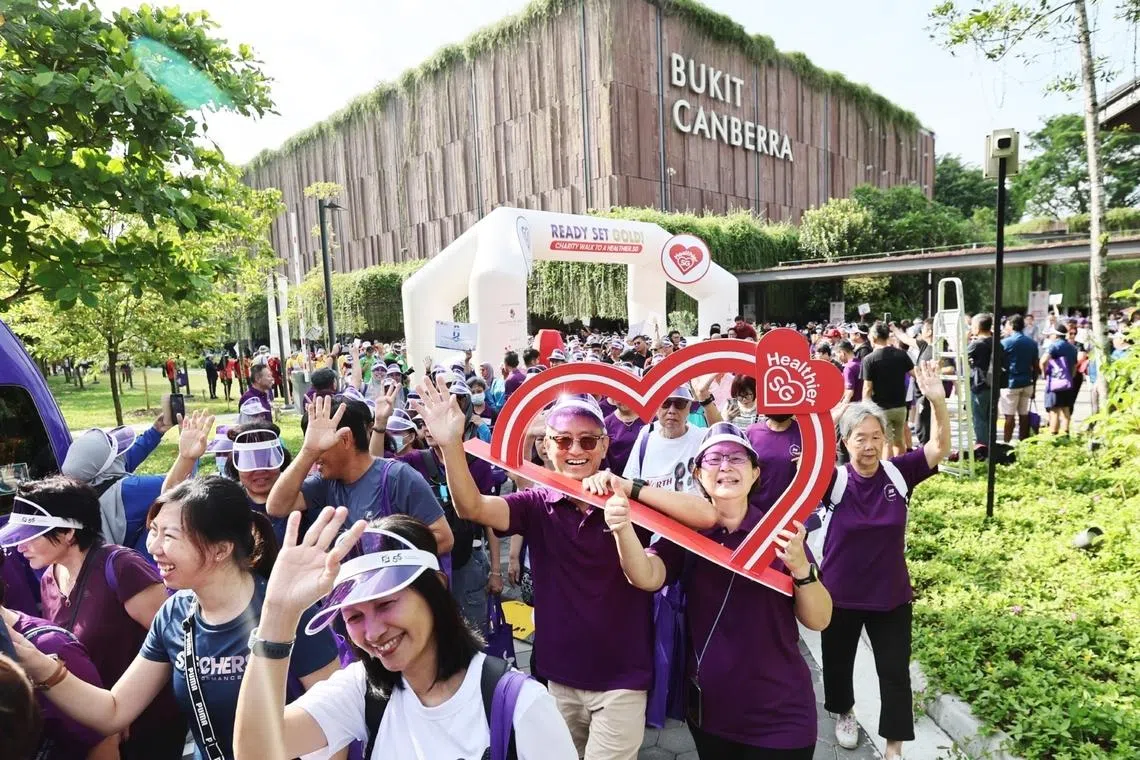
LifeStyle Updates: Healthier SG Healthpoints benefit worth $10 for those who complete in-person Health Plan check-in


Source:


ChatGPT:

Singapore’s Ministry of Health (MOH) has introduced a new one-time reward of 1,500 Healthpoints (worth S$10) for eligible Healthier SG enrollees who complete an in-person annual Health Plan check-in and view their updated Health Plan on the HealthHub app between 1 July 2026 and 31 December 2029. The incentive aims to encourage regular engagement with family doctors, promote preventive healthcare, and help detect chronic conditions early. (Ministry of Health)

To qualify, participants must attend an in-person annual check-in after their initial Health Plan consultation and subsequently view the updated plan on HealthHub. The reward is credited to the Healthy 365 app and can be redeemed for public transport, supermarket and food vouchers, or accumulated towards MediShield Life premium discounts. (Ministry of Health)

Healthier SG, launched in 2023 for Singapore citizens and permanent residents aged 40 and above, has surpassed 1.4 million enrolments, representing 59% of the eligible population. Among enrollees, 83% have completed their first Health Plan, while 66% of those due for a 2025 annual review attended their check-in. More than 1,100 GP clinics and polyclinics now participate in the programme. (Ministry of Health)

MOH also announced a Health Plan AI beta running from 27 July 2026 to 27 January 2027. Available initially to enrollees aged 40–64 without chronic conditions, the AI tool will generate personalised exercise plans based on users' goals, demographics and preferences. The ministry will evaluate the pilot before deciding on a permanent rollout. (Ministry of Health)

Overall, the initiative strengthens Singapore's preventive healthcare strategy by combining financial incentives, regular doctor engagement and digital tools to encourage healthier lifestyles while reducing long-term healthcare costs.

Social media & forum reactions

Reddit

  • Most discussion remains centred on Healthier SG rather than this specific S$10 incentive.

  • Many users support preventive healthcare and believe regular screenings reduce future healthcare costs.

  • Others feel the S$10 reward is too small to motivate attendance and say convenience is a bigger barrier than incentives.

  • Some users continue debating whether GP or polyclinic enrolment offers better value, especially for chronic disease management. (Reddit)

HardwareZone

  • Forum discussions show mixed sentiment.

  • Supporters appreciate subsidised consultations, medication benefits and Healthpoints.

  • Skeptics question whether the programme is worthwhile, describing the incentives as modest or expressing confusion about its practical benefits. (HardwareZone Forums)

X (Twitter)

  • Limited discussion so far.

  • Posts mainly share news articles or government announcements rather than extensive public debate.

Facebook

  • Comments generally welcome additional Healthpoints but ask whether S$10 is sufficient to encourage annual check-ups.

  • Several users praise the focus on preventive care for ageing Singaporeans.

Instagram

  • Healthcare organisations and clinics highlight the new incentive and AI exercise planner, with informational rather than opinion-based posts.

TikTok

  • Very little discussion currently.

  • Healthcare creators briefly explain how to qualify for the Healthpoints reward.

Threads

  • Early reactions are neutral to positive, with users discussing the convenience of combining annual check-ups with existing chronic disease appointments.

Overall sentiment

Public reaction is cautiously positive. Most agree that encouraging preventive healthcare is beneficial, but many feel the S$10 incentive is symbolic rather than a strong motivator. The Health Plan AI beta has attracted interest, with users expressing curiosity about whether personalised AI-generated exercise plans will improve long-term engagement.