Labels

Lifestyle (414) Investing (375) Entertainment (296) Singapore (231) Technology (137) Rewards (126) Gaming (100) Equities (97) AI (83) Insights (80) U.S. (77) Food (71) Data (70) Crypto (68) Sports (62) Travel (61) Portfolio (53) News (43) Movies (35) Credit Card (34) Savings (34) Earnings (28) Football (26) Policies (25) Shows (24) Holidays (23) Property (22) Tennis (22) Promotions (15) World (15) Bonds (14) REITs (13) Toys (13) Malaysia (12) T-Bills (12) China (10) Referral (10) Healthcare (9) Anime (8) Apps (8) DeFi (8) Cash Management (7) Currency (6) Retirement (6) ETFs (5) Miles (5) Security (5) Shopping (5) CPF (4) Commodities (4) Robotics (4) Weird (4) Cashback (3) Insurance (3) Japan (3) platform (3) Blog (2) Reviews (2) Robo-Advisor (2) 1-For-1 (1) Asia (1) Australia (1) Funds Management (1) Futuristic (1) Indonesia (1) Inflation (1) Nerfs (1) SGD (1) SSB (1) Social (1)

Sunday, 5 July 2026

Property Updates: I Compared Johor And Batam As Housing Alternatives For Singaporeans — One Market Had More Upside Than I Expected


Source:


ChatGPT:


The article compares Johor and Batam as affordable housing alternatives for Singaporeans who are priced out of the local property market. While new ferry links—including a proposed Tanah Merah–Pasir Gudang route—may improve accessibility, the author argues that transport alone is unlikely to drive property prices. Instead, employment opportunities, infrastructure development and government policies remain the key factors influencing long-term property values.

In Johor, areas closest to Singapore, such as Johor Bahru and Iskandar Puteri, have enjoyed strong price appreciation of 30–50% since 2020 due to the RTS Link and the Johor-Singapore Special Economic Zone (JS-SEZ). By comparison, Pasir Gudang, despite its industrial importance, has seen more modest growth. A future ferry connection could increase its attractiveness, but this remains speculative.

Batam presents a different investment proposition. Supported by its Free Trade Zone status, special economic zones and major projects such as the Batam-Bintan Bridge, the island has experienced stronger property price growth than many parts of Indonesia. Developments like Opus Bay and Nuvasa Bay specifically target Singaporean buyers, with apartment prices starting from around S$81,000 and rental yields averaging above 6%.

The article also outlines ownership rules. Foreign buyers in Johor generally face a minimum purchase price of RM1 million, while Batam allows foreign apartment purchases from roughly S$76,500, albeit under leasehold arrangements with Indonesian ownership regulations.

The conclusion is that buyers should prioritise affordability, lifestyle and legal residency options over expectations of rapid capital gains. While Batam offers lower entry prices and higher rental yields, Johor provides freehold ownership and stronger infrastructure. Ultimately, sustained demand will depend on reliable ferry services, continued economic growth and employment opportunities.


Social media and forum discussion

HardwareZone

  • Members debate whether Batam or Johor offers better value.

  • Many favour Johor for freehold ownership, legal familiarity and stronger resale demand.

  • Others believe Batam is undervalued because of its Free Trade Zone and growing infrastructure.

Reddit

  • Singapore property communities appreciate the article's data-driven approach.

  • Common concerns include foreign ownership rules, currency risk, political stability and resale liquidity.

  • Some users view Batam as suitable for holiday homes rather than primary residences.

X

  • Users discuss whether ferry connectivity could create the next cross-border property hotspot.

  • Most remain cautious, arguing transport alone rarely drives sustained price appreciation.

Facebook

  • Comments from Singaporeans are mixed.

  • Younger readers like Batam's low entry prices, while retirees favour Johor for familiarity and healthcare access.

Instagram

  • Property influencers highlight waterfront developments such as Opus Bay, with attractive visuals generating strong engagement.

TikTok

  • Videos compare "What S$100k buys" in Batam versus Johor, with viewers impressed by the larger homes available outside Singapore.

Threads

  • Discussions centre on affordability and lifestyle, with many saying cross-border living could become more practical if ferry services become frequent and reliable.

Overall sentiment

Sentiment is cautiously positive. Readers agree Batam offers attractive pricing and rental yields, while Johor benefits from stronger infrastructure and freehold ownership. Across platforms, the consensus is that ferry connectivity is helpful but not enough on its own—economic development, employment and government policy will determine whether either market delivers lasting investment returns.

Sports Updates: Eight of the 10 most populous countries are not in the World Cup


Source:


ChatGPT:


A BBC analysis highlights that eight of the world's 10 most populous countries are absent from the 2026 FIFA World Cup, illustrating that population alone does not guarantee footballing success. Only the United States and Brazil qualified among the top 10 by population, while countries such as India, Bangladesh, Pakistan, Ethiopia, China and Indonesia continue to struggle despite having millions of passionate fans.

In Bangladesh, thousands gathered in Dhaka to celebrate Lionel Messi and Argentina, reflecting a culture where supporters often adopt successful foreign teams because their own national side has never reached the World Cup. Similar scenes have been seen in India and Indonesia.

According to economist Stefan Szymanski, co-author of Soccernomics, football success depends on three key factors: a large talent pool, financial resources and infrastructure, and long-term footballing know-how. Wealthier nations typically perform better, but footballing tradition also matters, explaining why countries such as Brazil and Argentina consistently excel despite lower income levels than many European nations.

The article examines why several populous countries continue to underperform. India faces competition from cricket, although critics argue weak football governance and inadequate youth development are bigger issues. China has invested heavily but suffers from political interference and ineffective football administration. Indonesia has improved by recruiting overseas players of Indonesian heritage, while Ethiopia struggles with underinvestment and a shortage of suitable stadiums. Pakistan has also been hindered by repeated FIFA suspensions over governance disputes.

Ultimately, the report concludes that sustained investment, professional administration, grassroots development and decades of football culture matter far more than population size. Until those foundations improve, many fans in these countries will continue supporting foreign teams while dreaming of seeing their own nation qualify.


Social media and forum discussion

Reddit

  • Football communities largely agree the article accurately identifies governance and youth development as the biggest obstacles.

  • Indian users debate whether cricket is truly the problem, with many blaming the All India Football Federation (AIFF) instead.

  • Indonesian fans praise recent progress through diaspora recruitment but argue domestic academies remain essential.

  • Chinese users discuss state involvement and failed spending during the Chinese Super League boom.

HardwareZone (Singapore)

  • Discussions compare Southeast Asian football standards.

  • Members note Singapore, Malaysia and Indonesia also face structural issues despite strong fan interest.

  • Several comment that Indonesia's diaspora strategy has produced quicker results than neighbours.

X

  • Many posts share statistics showing population does not equal football success.

  • Bangladesh and India supporters express hope for future qualification while celebrating their passion for the sport.

Facebook

  • Comments are split between praising fan culture and criticizing football associations for poor long-term planning.

Instagram

  • Popular posts feature Dhaka's massive Argentina watch parties, with users admiring the atmosphere despite Bangladesh's absence.

TikTok

  • Videos of Bangladeshi and Indonesian fans celebrating Argentina and Messi have generated strong engagement and discussions about football culture.

Threads

  • Users highlight Morocco as a model for emerging football nations, arguing sustained investment and coaching—not population—drive success.

Overall sentiment: Most online discussion agrees that governance, infrastructure, youth development and football culture are far more important than population size. Indonesia's recent progress is viewed positively, while India, China and Bangladesh receive the most criticism for failing to convert huge fan bases into competitive national teams.

Travel Updates: A look at Singapore's new cruise terminal ahead of its Jul 7 opening


Source:


ChatGPT:


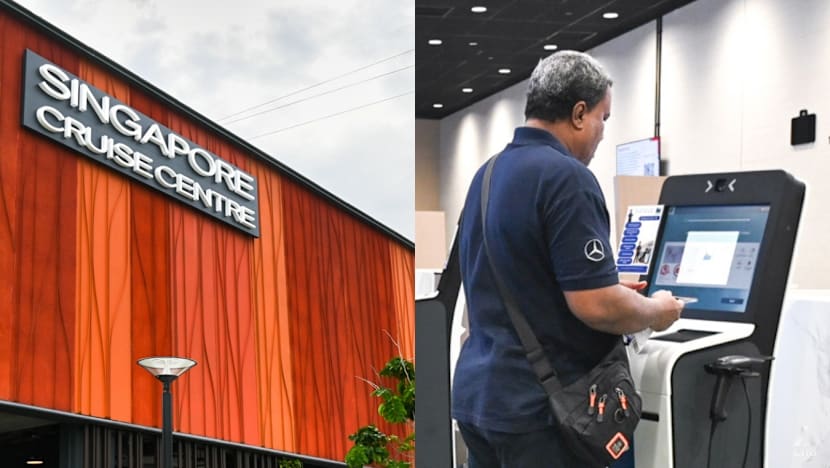
Singapore’s new Singapore Cruise Centre (HarbourFront) opens on 7 July 2026, replacing the existing terminal with a larger, more automated facility designed to provide an airport-style travel experience. Ferry operations will move in two phases: Batam Fast Ferry starts on 7 July, while Horizon Fast Ferry, Majestic Fast Ferry, Sindo Ferry, Indo Falcon Shipping & Travel and all cruise services relocate on 15 July. Routes, schedules and berth locations remain unchanged. (CNA)

Located at 5 HarbourFront Avenue, about 70 metres from the current terminal, the new building is connected to HarbourFront MRT and VivoCity via sheltered walkways. Passengers are encouraged to use public transport because parking is limited. (CNA)

The terminal features 25 self-service check-in kiosks, six automated baggage-drop counters, automated boarding gates, and biometric immigration clearance. Singapore citizens and permanent residents can clear immigration using facial recognition without presenting passports. Manual service counters remain available, while oversized luggage such as bicycles has dedicated handling facilities. (CNA)

Amenities include Old Chang Kee CafΓ©, Subway, 7-Eleven, nursing and prayer rooms, wheelchair lifts, EV charging points, a waiting hall about 50% larger than before, and a 70-seat VIP lounge. The departure area has 14 automated immigration lanes, while arrivals benefit from 32 automated clearance lanes, improving passenger flow. (CNA)

The new terminal is an interim upgrade as Singapore studies a larger integrated cruise and ferry terminal near Marina Bay Cruise Centre under the Greater Southern Waterfront masterplan. Singapore Cruise Centre CEO Jacqueline Tan said the new HarbourFront terminal will operate until that future facility is ready. (CNA)

Social media and forum reactions

Discussion is still relatively limited as the article was published today.

  • Reddit (r/singapore): Users generally welcome the automation, biometric clearance and smoother ferry experience, particularly for frequent Batam travellers. Many also discuss the broader HarbourFront redevelopment and future cruise hub. (Reddit)

  • HardwareZone: Threads focus on HarbourFront Centre's closure and redevelopment. Members view the new terminal as a necessary modernization, though some express nostalgia for the old World Trade Centre/HarbourFront complex. (HardwareZone Forums)

  • Facebook: News post comments are largely positive, highlighting faster immigration, easier self-check-in and improved facilities. Some ask about parking availability and wayfinding.

  • Instagram: Users are sharing photos of the modern interior, airport-like design and VIP lounge, with excitement for upcoming Batam trips.

  • TikTok: Early walkthrough clips emphasize the self-service kiosks, biometric gates and spacious departure hall.

  • X (Twitter): Discussion is light, with posts mainly sharing news about the opening and automation upgrades.

  • Threads: Users praise the cleaner, more modern terminal, while some wonder whether food options should be expanded beyond grab-and-go outlets.

Overall sentiment: Positive. The strongest praise is for faster processing, modern facilities and biometric immigration. The main concerns relate to limited parking, adapting to the new location, and nostalgia for the old HarbourFront terminal.

Friday, 3 July 2026

Entertainment Updates: Hong Kong Prison Service's K-Pop-Style Anti-Drug AI Video Backfires; Viewers Say It Promotes Drugs Instead


Source:


ChatGPT:


Hong Kong's Correctional Services Department (CSD) faced widespread criticism after releasing an AI-generated anti-drug music video that many viewers felt unintentionally glamorised drug use instead of discouraging it.

The campaign, titled "Obsession: The Sugar-Coated Trap," featured four AI-generated K-pop-style female idols named Weedy, Coke, Icy and Little E, representing cannabis, cocaine, crystal methamphetamine and etomidate respectively. The colourful music-video format included catchy lyrics promoting the supposed "benefits" of each drug before ending with a warning about addiction and imprisonment. However, many viewers said the upbeat presentation overshadowed the intended anti-drug message.

Following public backlash, the CSD removed the original video and released a shorter version that introduced the warning much earlier. In the revised edit, the AI idols rapidly transformed into elderly men before ending up in prison alongside the message that drugs destroy lives. Despite the changes, the second version also received criticism and was eventually removed.

Ironically, the campaign became an internet sensation. The AI idols inspired memes, parody videos, fan art, stickers and even unofficial photo cards, with many users joking that the government had accidentally created a marketable virtual K-pop group.

The CSD later apologised, acknowledging shortcomings in the production and promising to review its social media approval process. Officials explained that the video was produced entirely in-house using AI without additional public spending and was intended to appeal to younger audiences by portraying drugs as "poison wrapped in a sugar-coated package."

The incident also revived memories of another failed Hong Kong anti-drug campaign earlier in 2026, when a public banner unintentionally appeared to encourage drug use because of its layout. Together, the incidents highlight the challenges governments face when using AI and modern internet culture in public education campaigns.


Social media & forum discussion

Reddit

  • The campaign quickly became a viral topic.

  • Many users joked that the government had "accidentally debuted the hottest AI idol group."

  • Others criticised the campaign for making the drugs appear attractive before presenting the warning.

  • Several comments praised the government's quick apology despite the communication failure.

X

  • The AI idols' images spread rapidly with memes and edited music videos.

  • Users debated whether shock marketing had gone too far.

  • Many described it as a classic example of AI-generated content lacking human judgement.

Facebook

  • Hong Kong news pages attracted thousands of reactions.

  • Comments were split between finding the campaign hilarious and questioning the effectiveness of government messaging.

Instagram

  • Meme accounts and pop culture pages reposted screenshots of the AI idols.

  • Fan edits made the characters resemble genuine K-pop groups.

TikTok

  • Clips of the music video circulated widely.

  • Creators lip-synced the songs, recreated choreography and joked that the campaign had become free promotion instead of prevention.

Threads

  • Discussions focused on the risks of relying on AI for public campaigns.

  • Many argued creative ideas still require strong human oversight.

HardwareZone

  • Users viewed the incident humorously.

  • Discussions centred on how AI-generated marketing can backfire when messaging is poorly executed.

Overall sentiment

Online sentiment is overwhelmingly humorous but critical. Most people agree the campaign failed as an anti-drug message because its attractive visuals and catchy songs overshadowed the warning. However, the CSD earned some praise for acknowledging the mistake quickly, with many viewing the episode as a cautionary lesson on balancing AI, creativity and clear public communication.

Shopping Updates: China’s E-Commerce Players Pinduoduo & Temu Making Waves In Singapore Even As Local Retail Sector Slows


Source:


ChatGPT:


The article examines the arrival of Pinduoduo and Temu in Singapore's increasingly competitive e-commerce market despite slower retail growth and recent downsizing by established platforms such as Shopee, Lazada and Amazon. Although Singapore's retail sector faces higher rents and weaker consumer spending, online sales remain resilient, accounting for 15.7% of total retail sales, suggesting continued opportunities for value-focused platforms.

Both platforms belong to PDD Holdings but target different audiences. Pinduoduo, originally built around China's group-buying model, focuses on ultra-low prices and an enormous product selection. It offers free sea shipping, although deliveries typically take about three weeks. Temu, designed for international markets, provides an English-language interface, faster shipping (typically 5–10 business days) and delivery guarantees similar to Shopee and Lazada.

The article compares the platforms across board games, toys, fashion accessories and electronics. Pinduoduo generally offers significantly lower prices and a much wider selection but raises greater concerns about counterfeit or imitation products. Temu provides fewer listings, making it easier to assess product quality through reviews, though its search function is often less accurate.

One area where Pinduoduo excels is image-based search, accurately identifying products from uploaded photos, whereas Temu frequently returns only similar-looking items. However, Pinduoduo remains less accessible because its interface is primarily in Mandarin and Android users must install it outside the Google Play Store.

The article concludes that shoppers should carefully balance price, authenticity, shipping speed and convenience. While Pinduoduo offers exceptional bargains, Temu provides a more familiar and user-friendly experience for Singapore consumers entering China's fast-growing cross-border e-commerce ecosystem.


Social media & forum discussion

HardwareZone

  • Members are comparing Pinduoduo with Temu, Shopee and Lazada.

  • Pinduoduo's extremely low prices attract attention, but many question product authenticity.

  • Users appreciate Temu's English interface and faster delivery.

Reddit

  • Singapore-focused subreddits report mixed experiences.

  • Common themes include:

    • Pinduoduo offers the lowest prices.

    • Temu has a smoother user experience.

    • Buyers recommend checking photo reviews carefully before purchasing.

    • Concerns remain about counterfeit goods and inconsistent quality.

X

  • Users describe Pinduoduo's Singapore launch as another challenge to Shopee and Lazada.

  • Many highlight aggressive pricing as its biggest competitive advantage.

Facebook

  • Shopping groups are sharing first-order experiences, discount codes and shipping timelines.

  • Positive reviews focus on value for money, while others warn buyers to manage expectations regarding quality.

Instagram

  • Bargain hunters showcase inexpensive home goods, gadgets and lifestyle products purchased from both platforms.

  • Short comparison reels between Temu and Pinduoduo are gaining engagement.

TikTok

  • "Haul" videos dominate discussions.

  • Creators compare identical products purchased across Temu, Pinduoduo and Shopee, often concluding that Pinduoduo is cheapest but quality varies more.

Threads

  • Users debate whether Pinduoduo can disrupt Singapore's e-commerce market.

  • Many expect Shopee and Lazada to respond with more promotions.

Overall sentiment

Online sentiment is cautiously positive. Consumers are excited by Pinduoduo's ultra-low prices and powerful image search, while Temu is praised for its ease of use and faster shipping. However, concerns over counterfeit products, quality consistency, language barriers and longer delivery times mean many shoppers treat both platforms as bargain marketplaces rather than replacements for established retailers.

Property Updates: Unintended Consequences of HDB Cooling Measures?


Source:


ChatGPT:


The YouTube video "Unintended Consequences of HDB Cooling Measures?" examines how recent Singapore housing policies, while intended to cool the resale market and improve affordability, may be reshaping buyer behaviour in unexpected ways.

The video argues that measures such as tighter financing rules, increased housing supply and stricter eligibility requirements have slowed HDB resale price growth. However, instead of reducing overall demand, they may be diverting buyers into other segments of the property market. One notable effect is stronger interest in Executive Condominiums (ECs), which offer a middle ground between public and private housing. Analysts say cooling measures have made ECs more attractive to HDB upgraders who are priced out of private condominiums. (CNA)

The discussion also highlights how affordability constraints are creating a widening gap between HDB owners and private property buyers. As upgrading becomes more difficult, the HDB and private housing markets are increasingly serving different buyer groups with different financial profiles. (Reddit)

Another theme is that cooling measures may shift demand geographically or across property types rather than eliminating it. Buyers continue adapting their strategies by choosing different housing options, adjusting budgets or delaying purchases instead of leaving the market entirely. Property professionals in the video stress that government policies remain focused on maintaining long-term housing affordability rather than causing a market correction. (Insights by PropertyLimBrothers)

The overall conclusion is that cooling measures have largely succeeded in moderating excessive price growth but have also created secondary effects, including changing upgrade pathways, stronger EC demand and greater segmentation within Singapore's residential property market. Buyers are therefore encouraged to focus on affordability, financing and long-term housing needs rather than attempting to predict future policy changes.


Social media & forum discussion

HardwareZone

  • Property forums debated whether cooling measures have made upgrading from HDB to private housing significantly harder.

  • Many users believe ECs have become the biggest beneficiaries.

Reddit

  • r/singapore and r/SgPropertyInvesting discussions broadly agree that cooling measures have slowed prices but also split the HDB and private markets into separate buyer pools. (Reddit)

  • Common themes include:

    • EC demand has strengthened.

    • Upgrading is less affordable.

    • Policies are achieving stability rather than triggering a housing crash.

X

  • Property commentators described the measures as "policy calibration" rather than aggressive intervention.

  • Debate centred on whether further easing or tightening will be needed if prices continue moderating.

Facebook

  • Property groups discussed whether current conditions favour first-time buyers over investors.

  • Many homeowners shared concerns about reduced upgrade opportunities.

Instagram

  • Real estate creators published infographics explaining the ripple effects of cooling measures.

  • Educational content on ECs and financing attracted strong engagement.

TikTok

  • Singapore property creators posted short explainers on why EC launches remain highly competitive despite slower resale growth.

  • Many videos compared today's market with previous cooling cycles.

Threads

  • Discussions focused on affordability and whether Singapore's housing market is becoming increasingly segmented.

  • Users generally supported cooling measures but acknowledged their unintended side effects.

Overall sentiment

Online sentiment is mixed but largely supportive. Most agree the cooling measures have improved market stability and discouraged speculation. However, many believe they have also made upgrading more difficult, boosted EC demand and widened the divide between HDB and private housing buyers, illustrating how policy changes often produce ripple effects beyond their original objectives.

Sports Updates: Singapore Tennis Open Returns as Southeast Asia’s Only WTA 500 Tournament with Tickets from Just $8


Source:


ChatGPT:


The Singapore Tennis Open (STO) will return from 21–27 September 2026 as a WTA 500 tournament, making it the only WTA 500 event in Southeast Asia. Upgraded from its inaugural WTA 250 status in 2025, the tournament will be held at the OCBC Arena, Singapore Sports Hub, and will serve as the opening event of the WTA's Asian Swing.

The promotion to WTA 500 places Singapore among only 18 tournaments worldwide at this level, alongside established events such as Brisbane and Charleston. The upgrade also brings higher prize money, more world ranking points and is expected to attract a stronger field of international players.

The first confirmed player is Alexandra Eala, currently World No. 32 and the highest-ranked Filipino player in WTA history. Following a breakthrough 2025 season that included reaching the semifinals of a WTA 1000 event and the fourth round of the US Open, Eala is expected to be one of the tournament's biggest attractions.

The tournament aims to remain affordable, with single-session tickets starting from S$8. Early-bird buyers receive a 10% discount for four weeks before standard pricing begins on 27 July. Premium hospitality packages start from S$500, while all-access passes cost from S$650.

The event has also secured major sponsors. Mercedes-Benz joins as the Official Automobile Partner, providing transport for players and showcasing its latest vehicles, while ASICS will supply apparel and footwear for officials and ball kids.

Competition includes a 28-player singles draw, 16-team doubles draw and a US$1.2 million prize pool. Qualifying matches begin on 19 September, with the main draw running from 21–27 September, bringing world-class women's tennis back to Singapore.


Social media & forum discussion

Facebook

  • Singapore Tennis Open and Singapore Sports Hub posts generated strong engagement after ticket sales opened.

  • Many users welcomed the affordable S$8 entry price, calling it an excellent opportunity for families and first-time spectators.

Instagram

  • Tennis pages highlighted the WTA 500 upgrade and promotional visuals.

  • Fans expressed excitement about seeing higher-ranked players compete in Singapore.

  • Alexandra Eala's participation received particularly strong support from Filipino fans.

X

  • Tennis journalists and WTA followers praised Singapore's promotion to WTA 500 status.

  • Many described it as an important addition to the Asian tennis calendar ahead of larger tournaments in China and Japan.

Reddit

  • Tennis communities viewed the upgrade positively.

  • Discussions focused on:

    • Which top-10 players may participate.

    • Whether Singapore can establish itself as a long-term premier stop on the WTA Tour.

    • The tournament's relatively affordable ticket prices.

HardwareZone

  • Discussion remains limited.

  • Sports and lifestyle threads mainly mention the value-for-money ticket pricing and hope for more marquee player announcements.

TikTok

  • Local sports creators shared promotional videos and venue previews.

  • Fans commented that the low ticket prices make live professional tennis much more accessible than expected.

Threads

  • Conversations centred on Singapore's growing reputation as a host of major international sporting events.

  • Users praised the balance between affordable entry tickets and premium hospitality options.

Overall sentiment

Online sentiment is strongly positive. Tennis fans welcome Singapore's elevation to WTA 500 status, viewing it as a major milestone for regional tennis. The affordable S$8 starting ticket price, stronger player field and the confirmation of Alexandra Eala have generated excitement, with many hoping additional top-ranked players will be announced before September.

LifeStyle Updates: Residents in towns like Sembawang, Bukit Panjang, Punggol have longest work commutes


Source:


ChatGPT:


Singapore's General Household Survey 2025 found that Sembawang residents have the country's longest median commute to work at 50 minutes, while residents of Bukit Batok, Bukit Panjang, Choa Chu Kang, Jurong West, Punggol, Sengkang, Tengah, Woodlands and Yishun recorded median commute times of 45 minutes. The main reason is geographical—almost half of employed Singapore residents work in the Central Region, meaning those living farther away naturally face longer journeys.

Transport experts noted that employment remains concentrated in the Downtown Core, Tuas and Pasir Panjang. Residents in outer towns often rely on multiple transport modes, including buses and MRT transfers, increasing travel times. Local MPs highlighted that express buses, the North-South Line, Downtown Line and Thomson-East Coast Line help improve connectivity, though some neighbourhoods remain less convenient.

The Land Transport Authority (LTA) said improvements are underway through the Cross Island Line, Jurong Region Line, and the Bus Connectivity Enhancement Programme, which has introduced new and enhanced bus services benefiting about 244,000 commuters daily.

At the opposite end, Tanglin recorded the shortest median commute at 25 minutes, followed by Bukit Merah, Bukit Timah, Clementi, Geylang, Kallang, Marine Parade, Novena, Outram, Queenstown and Toa Payoh at 30 minutes. Higher car ownership in these areas also contributes to shorter travel times.

The survey also found public transport usage rising from 57.7% in 2020 to 60.1% in 2025. Combined bus-and-rail journeys increased, while bus-only commuting declined. Interestingly, bus-only commuters had the shortest median journey (35 minutes), while commuters using both bus and rail recorded the longest (56 minutes), reflecting longer-distance travel and transfers rather than poorer transport quality.


Social media & forum discussion

HardwareZone

  • The article generated active discussion.

  • Many users said the findings were unsurprising, citing the long journeys from Sembawang, Punggol, Choa Chu Kang and Bukit Panjang to central Singapore.

  • Common suggestions included decentralising jobs to regional business hubs and expanding MRT connectivity.

Reddit

  • r/singapore users largely agreed with the findings.

  • Many shared personal commute times of 45–90 minutes.

  • Discussions focused on:

    • Whether long commutes reduce work-life balance.

    • The benefits of hybrid work.

    • Whether housing should be located closer to employment centres.

X

  • Users shared infographics from the survey.

  • Some questioned why Singapore's compact size still results in hour-long commutes, while others praised the reliability of public transport despite the travel time.

Facebook

  • Residents shared their own commuting experiences.

  • Many welcomed upcoming MRT lines but said improvements cannot come soon enough.

Instagram

  • Local news accounts posted commute rankings.

  • Comments centred on relatable experiences and comparisons between different towns.

TikTok

  • Creators produced "day in my commute" videos showing lengthy train journeys from northern and western estates.

  • Many highlighted crowded peak-hour conditions rather than travel time alone.

Threads

  • Conversations focused on quality of life, flexible work arrangements and decentralising offices.

  • Many argued commute comfort and reliability matter as much as journey duration.

Overall sentiment

Online sentiment is largely unsurprised but constructive. Most Singaporeans accept that outer-town residents face longer commutes because jobs remain concentrated in central areas. The strongest themes are support for new MRT lines, more regional employment hubs, and greater workplace flexibility to reduce commuting time and improve quality of life.

Technology Updates: A $7,999 home robot joins the race to automate household chores


Source:


ChatGPT:


Weave Robotics has introduced Isaac 1, a home robot designed to automate everyday household chores, marking another step toward mainstream consumer robotics. Backed by Y Combinator, the startup unveiled the robot with a starting price of US$7,999 or a US$449 monthly subscription, making it significantly cheaper than rival home robots such as 1X's Neo, which is expected to cost around US$20,000. (Business Insider)

Isaac 1 can fold laundry, make beds, tidy rooms and pick up clutter. Unlike traditional robot vacuums, it features two robotic arms mounted on a wheeled base and is designed to operate autonomously for routine tasks. If it encounters situations it cannot handle, remote human operators can take control to complete the job. Deliveries are expected to begin in California in autumn 2026 before expanding further. (Business Insider)

The launch has generated significant online attention, with Weave Robotics' announcement on X attracting over 13 million views shortly after publication. Many see Isaac 1 as evidence that household robots are becoming more affordable and practical, although the technology remains in its early stages. (Business Insider)

Not everyone is convinced. Critics describe the robot as slow and somewhat clunky, while privacy advocates question how data collected inside homes may be used. Weave states that customer information helps improve its services but has not clarified whether household data will be used to train future AI models. (Business Insider)

Isaac 1 enters an increasingly competitive market alongside Tesla Optimus and 1X Neo, highlighting the growing race to bring capable home robots into everyday households. The industry still faces technical challenges, particularly in training robots to operate reliably in unpredictable real-world home environments. (Business Insider)


Social media & forum discussion

X

  • The announcement exceeded 13 million views, making it one of the week's most-discussed robotics launches. (Business Insider)

  • Many praised the US$7,999 price as a milestone toward affordable home robots.

  • Viral comments included "Closer and closer to never doing chores again" and "It's about to get very strange."

Reddit

  • Users compared Isaac 1 with Tesla Optimus and 1X Neo.

  • Common reactions:

    • "Roomba with arms."

    • Excitement over the lower price.

    • Skepticism about how autonomous it really is because of remote human assistance.

    • Privacy concerns about cameras operating inside homes.

HardwareZone

  • No dedicated discussion yet.

  • Existing AI and robotics threads reference Isaac 1 as another sign consumer robots may become common within this decade.

Facebook

  • Tech pages shared demonstration videos.

  • Comments were split between excitement and doubts about reliability, maintenance costs and practicality.

Instagram

  • Robotics creators highlighted its soft, home-friendly design and laundry-folding demonstrations.

  • Many compared it with futuristic robots from science fiction.

TikTok

  • Demo clips of Isaac 1 folding clothes and making beds attracted strong engagement.

  • Popular comments questioned whether the robot could justify its price and handle messy homes.

Threads

  • Discussion centred on affordability versus capability.

  • Users debated whether remote teleoperation means the robot is truly autonomous.

Overall sentiment

Online sentiment is cautiously optimistic. Most people see Isaac 1 as an important step toward practical household robotics thanks to its relatively low price. However, concerns about speed, privacy, remote human intervention and real-world reliability suggest consumers remain intrigued but are waiting to see whether home robots can consistently deliver on their promises.

Investing Updates: Dividend investing is a popular strategy with Singapore investors, but does it still make sense today?


Source:


ChatGPT:

Dividend investing remains a favourite strategy among Singapore investors, but financial experts say it should form only part of a well-diversified portfolio rather than being the primary investment focus.

Experts from OCBC, Providend and Syfe agree that dividends provide reliable cash flow, particularly during periods of market uncertainty, inflation and volatility. Regular payouts can reduce the need to sell investments during market downturns and help investors preserve purchasing power compared with leaving cash in low-interest savings accounts.

However, they caution that investors often mistake dividend-paying stocks for "safe" investments. Dividend payments can be reduced or suspended, share prices can decline after dividends are paid, and companies concentrated in traditional income sectors—such as Singapore banks, property stocks and REITs—may expose investors to sector-specific risks. Bond funds and REITs are also sensitive to interest-rate movements.

Another concern is opportunity cost. Companies that distribute large portions of their profits typically have fewer opportunities for rapid expansion, while high-growth firms often reinvest earnings instead of paying dividends. Investors who focus exclusively on dividend income may therefore miss out on stronger long-term capital appreciation, particularly in sectors such as technology and artificial intelligence.

The experts recommend balancing an "income engine" with a "growth engine." Younger investors with longer investment horizons may benefit from allocating more towards growth assets, whereas retirees may prioritise stable income but should still retain some exposure to growth investments to combat inflation over retirement, which can last decades.

A suitable portfolio should reflect an individual's financial goals, cash-flow needs, investment horizon and risk tolerance. High-quality bonds, dividend-paying stocks, REITs and equity-income funds can all play a role, but diversification remains the key principle. Ultimately, successful investing depends not on chasing dividend yields alone but on achieving sustainable total returns over time.


Social media & forum discussion

HardwareZone

  • Dividend investing remains one of the forum's most discussed investment topics.

  • Many members continue favouring Singapore bank stocks and REITs for passive income, while others increasingly advocate global ETFs for stronger long-term returns.

  • The CNA article sparked debate over balancing income with growth rather than pursuing high yields alone.

Reddit

  • Discussions on r/singaporefi broadly agree with the article.

  • Many users recommend prioritising total return over dividend yield, noting that dividends are not "free money."

  • Others still value dividends for psychological comfort and retirement income.

X (Twitter)

  • Wealth advisers and finance commentators shared the article, emphasising diversification and warning against "yield traps."

  • Some highlighted the continued attractiveness of Singapore bank dividends despite market uncertainty.

Facebook

  • Investment groups discussed whether current dividend yields justify holding REITs amid changing interest-rate expectations.

  • Retirees generally favoured dividend strategies, while younger investors leaned towards growth-focused ETFs.

Instagram

  • Personal finance creators summarised the article using infographics explaining dividend yield, total return and portfolio allocation.

  • Educational content encouraging balanced investing received positive engagement.

TikTok

  • Finance creators produced short videos explaining why dividends alone do not guarantee investment success.

  • Many encouraged beginners to combine dividend stocks with index funds.

Threads

  • Users debated whether Singapore's dividend culture causes investors to overlook global growth opportunities.

  • Most agreed dividends remain useful but should not dominate a portfolio.

Overall sentiment

Online sentiment is balanced and educational. Most investors continue to appreciate dividend income, especially for retirement and passive cash flow, but there is growing consensus that focusing solely on dividends can limit long-term wealth creation. Across forums, diversification and total return are increasingly viewed as more important than chasing the highest dividend yield.