Source:
ChatGPT:
Many Singapore-listed REITs earn income in foreign currencies such as the Australian dollar, euro and Japanese yen. When the SGD strengthens, these earnings translate into fewer Singapore dollars, even if property operations remain healthy. Over time, currency headwinds can offset gains from higher occupancy or rental reversions.
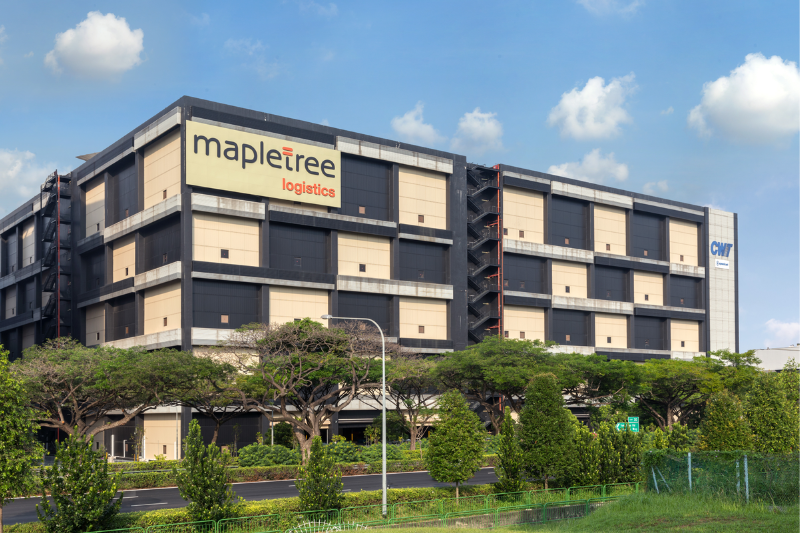
REITs with large overseas portfolios face the greatest exposure. For example, Mapletree Logistics Trust uses hedging strategies such as matching debt currencies to asset locations and hedging about 75% of expected income into SGD. Despite this, its annual DPU declined from S$0.09003 in FY2023/24 to S$0.07262 in FY2025/26, partly due to foreign exchange pressures alongside weaker logistics demand and higher interest costs.
In contrast, Frasers Centrepoint Trust owns mainly Singapore retail properties, meaning its income is largely SGD-based and insulated from currency volatility. Its DPU has remained relatively stable over recent years.
The article concludes that currency risk is becoming increasingly important as S-REITs expand globally. Investors should assess hedging policies, overseas exposure and portfolio balance rather than simply chasing the highest yields.